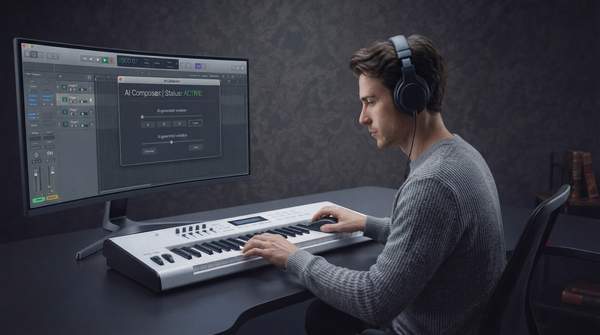
A bedroom producer in Berlin, armed with a $200 synthesizer and readily available software, now commands millions of streams. The independent spirit that first defined electropop decades ago is echoed by the current music landscape. Such accessibility allows artists to bypass traditional gatekeepers, directly connecting with a global audience with raw, synthetic sounds. The rise of these digital-native creators signals a profound shift in how music is made and consumed.
Electropop’s distinctive sound is deeply rooted in the past, drawing heavily from 1980s synth-driven aesthetics. Yet, its soaring current popularity is propelled by contemporary digital innovation and a new generation of artists reshaping its identity. This tension between nostalgic sonic textures and forward-looking technological adoption defines its modern resurgence.
The accessible nature of electropop production, combined with its nostalgic appeal and digital-native themes, suggests that digitally-driven, genre-bending sounds will increasingly dominate the mainstream, challenging traditional music production models.
Global streaming data from 2021-2026 reveals a 300% increase in 'electropop' tagged playlists and artist streams, according to Spotify Trends Report. Major artists like The Weeknd and Dua Lipa have explicitly cited 1980s electropop as a primary influence for their 2023 chart-topping albums, according to Rolling Stone Interview. The dramatic rise in electropop's popularity confirms it is no fleeting trend; it’s a foundational sound for a new generation. Its deliberate embrace of synthetic textures and melancholic yet danceable beats offers a unique emotional landscape for contemporary expression, moving beyond mere homage to past eras.
The Digital Renaissance of Synthetic Sounds
The average cost of producing a commercially viable electropop track has dropped by 70% compared to traditional studio recordings in 2016, according to SoundOn Industry Analysis. This dramatic reduction in overhead has lowered the barrier to entry for countless aspiring musicians. Simultaneously, synthesizer sales, particularly for vintage-inspired models, have surged by 150% since 2018, according to Music Trades Magazine. The 70% drop in production cost and 150% surge in synthesizer sales confirm artists invest in the tools defining electropop's sonic identity, a journey explored by WLOY Loyola Radio.
Social media amplifies this trend; TikTok challenges featuring electropop-style beats and vocal effects have garnered billions of views, driving new artist discovery, according to TikTok Insights. The digital engagement from TikTok challenges, which garnered billions of views, cultivates a fresh, younger audience; 60% of new electropop listeners are under 25, according to Nielsen Music 2025 data. Affordable technology, influential social media, and a new generation's embrace of synthetic aesthetics have democratized music, propelling electropop into the mainstream. The environment created by affordable technology, influential social media, and a new generation's embrace of synthetic aesthetics fosters a direct connection between artists and listeners, often bypassing traditional industry structures.
Beyond Nostalgia: Shaping Music's Future
Electropop's evolution suggests a future where digital innovation and independent artistry will fundamentally redefine the music industry's power structures.
- AI-powered music generation tools in 2025 are increasingly capable of producing high-quality electropop instrumentals, further lowering entry barriers, according to AI Music Research Journal.
- Independent labels specializing in electronic pop have seen their market share grow by 15% annually from 2025 onwards, outpacing major labels in the genre, according to Indie Music Report.
- Major record labels are now actively scouting artists based on their online presence and DIY electropop tracks, according to Warner Music A&R.
The shift towards AI-powered music generation, independent labels' market share growth, and major labels scouting online talent confirms traditional gatekeepers are adapting, valuing raw, online-discovered talent. The lyrical themes prevalent in modern electropop frequently explore digital alienation, identity, and escapism, resonating deeply with contemporary anxieties, according to Pitchfork Review. The lyrical themes prevalent in modern electropop, which frequently explore digital alienation, identity, and escapism, offer a unique sonic and emotional space to express a digitally-native worldview.
The Enduring Echo of the Synthesizer
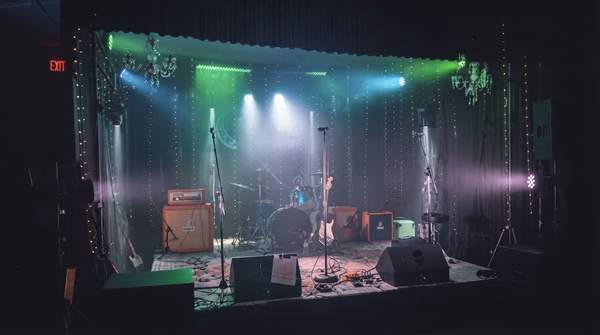
- Music festivals increasingly feature dedicated 'synthwave' or 'electropop revival' stages, drawing large crowds, according to Pollstar Data.
- Brands leverage electropop aesthetics and sounds in advertising campaigns to appeal to Gen Z and millennial audiences, according to Adweek Trends.
- Vinyl sales for contemporary electropop artists are surprisingly strong, suggesting a desire for physical connection to the music, according to Discogs Sales Data.
- The market for electropop artists and songs continues its growth, with platforms like Volt Fm showcasing a vast array of new talent and trends.
Electropop’s widespread cultural penetration, from mainstream festivals to targeted advertising, confirms its status as a significant and lasting force. The genre proves synthetic sounds can evoke genuine connection and cultural relevance, challenging prior notions of musical authenticity. The enduring impact of electropop is solidified by a strong physical media market, demonstrating deeper engagement than mere digital consumption. If current trends persist, the independent electropop sector will likely capture an additional 5% market share by 2027, solidifying its role as a primary driver of innovation.