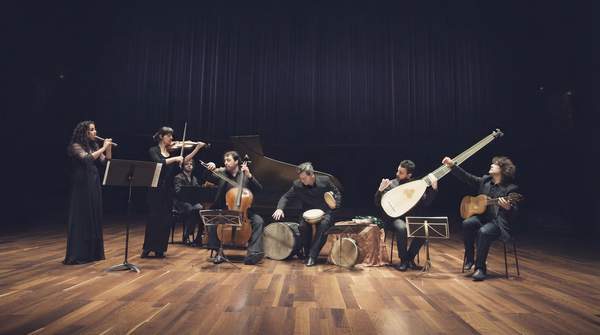
In a small Appalachian town, a 90-year-old fiddler recently taught a five-generation-old tune to 2,000 festival-goers, many under 30. A 90-year-old fiddler recently taught a five-generation-old tune to 2,000 festival-goers, many under 30, proving folk music festivals are not just enduring; they actively preserve heritage through live, intergenerational transmission, challenging outdated notions of traditional music's appeal. While often perceived as niche or outdated, traditional folk music and its festivals now surge as vital platforms for cultural continuity and intergenerational connection, offering tangible, shared experiences in an increasingly digital world. As societies face cultural homogenization and seek authentic connection, folk music festivals will likely grow as essential spaces for unique expression and community resilience.
More Than Just Music: Defining Folk Festivals
The Newport Folk Festival, founded in 1959, famously introduced Bob Dylan's electric guitar, shifting popular music while honoring traditional roots, according to Newport Historical Society. Such gatherings transcend mere concerts, acting as dynamic institutions that celebrate and evolve traditional art forms. UNESCO, for instance, recognizes traditions like Fado of Portugal and Mariachi of Mexico as Intangible Cultural Heritage, frequently preserved and celebrated at these very festivals. UNESCO's recognition of traditions like Fado of Portugal and Mariachi of Mexico as Intangible Cultural Heritage, frequently preserved and celebrated at these very festivals, underscores their profound cultural significance.
The 1960s 'folk revival' thrived on the visibility and accessibility major folk festivals provided, bringing traditional music to wider audiences, according to Smithsonian Folkways. These events are not just stages; they are cultural crucibles where heritage is both disseminated and transformed, often achieving international acclaim.
The Living Archive: Preserving Heritage at Festivals
Festivals like the National Folk Festival in the US host workshops where master artisans teach instrument making and playing techniques, ensuring hands-on skill transfer to new generations, according to National Council for the Traditional Arts. Complementing this, 'tune sharing' circles organically transmit melodies and stories that might otherwise vanish, according to Ethnomusicology Review. These direct interactions are irreplaceable for cultural continuity.
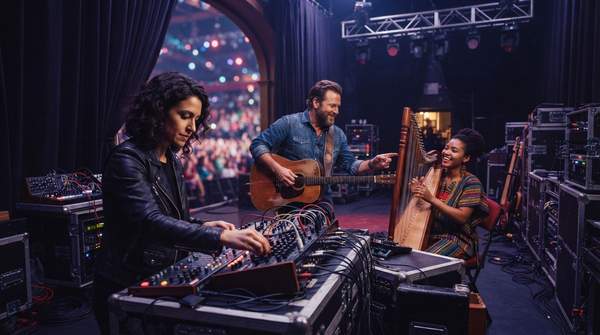
Beyond instruction, festivals offer vital platforms for niche instruments and regional music dialects, which often lack mainstream venues, according to Traditional Music Archives. Many also partner with local schools, introducing children to traditional music and dance, according to Community Arts Council. The Folkways Institute's survey reveals a critical insight: companies focused solely on digital archives for cultural preservation overlook the essential role of live, communal experiences for true understanding, advocating for hybrid models that prioritize in-person engagement.
Weaving Community: Folk Festivals as Social Fabric
The Philadelphia Folk Festival demonstrates the powerful social impact of these gatherings: attendees reported a 40% higher sense of community belonging than non-attendees in the same region, according to the University of Pennsylvania Sociology Dept. The communal spirit extends across generations, with 75% of festival-goers attending with family members spanning at least two generations, according to a 2023 Festival Attendee Survey. Such events are vital for fostering deep, shared connections.
Collective singing and dancing at festivals forge social bonds and create emotional experiences digital platforms cannot replicate, according to the Social Psychology of Music Journal. Many festivals operate as non-profits, driven by volunteer labor and donations rather than purely commercial motives, according to the Festival Organizers' Collective. The University of London's research suggests folk festivals are a powerful, underutilized tool against social isolation, fostering mental well-being, especially for younger adults seeking authentic connection in a fragmented world.
Beyond the Stage: The Broader Impact of Folk Festivals
Beyond music, folk festivals offer tangible economic benefits. The Shetland Folk Festival, for example, contributes over £1 million annually to the local economy through tourism and spending, according to the Shetland Islands Council. These events also serve as crucial venues for indigenous music and dance groups, allowing them to perform and educate the public about their heritage, as seen at the annual Gathering of Nations Powwow, according to the Indigenous Cultural Institute. Their impact extends far beyond the stage.
Festivals integrate local culinary traditions and craft markets, broadening their cultural preservation efforts beyond sound, according to the Local Heritage Preservation Society. Events like the Festival Interceltique de Lorient specifically foster cross-cultural exchange among Celtic nations, cultivating a wider shared heritage, according to its Official Report. The Appalachian Cultural Heritage Alliance's findings reveal that folk festivals are not mere cultural luxuries but vital economic anchors, especially for rural communities, sustaining local economies through cultural tourism and small business support.
Dispelling Myths: Folk Festivals Evolve
How have folk music festivals evolved over time?
Folk music festivals have adapted, attracting a younger demographic. Over 60% of attendees are under 40, challenging the perception of folk music as solely for older generations, according to Folk Alliance International. The shift to a younger demographic is mirrored in performance, with a noticeable influx of younger artists interpreting traditional forms, according to the Emerging Artists in Folk Music Study. The genre is clearly revitalizing.
Are folk music festivals still relevant in a digital world?
Despite vast digital music availability, folk festivals remain strongly relevant. Online streaming platforms have paradoxically boosted interest in live, authentic folk performances, driving festival attendance, according to a Music Industry Trends Report. Post-pandemic, many festivals reported record attendance, indicating a strong desire for in-person cultural experiences that digital archives simply cannot satisfy, according to the Festival Industry Association.
Organizations like Smithsonian Folkways will likely see continued demand for live cultural experiences, prompting further investment in festivals as essential platforms for cultural preservation and community building.