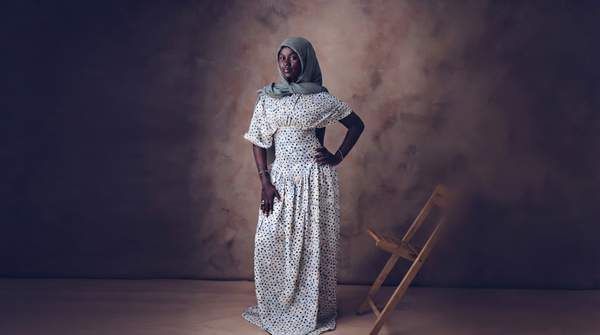
The visual style of metal fans has become strikingly multi-dimensional and multi-generational, moving beyond rigid traditional archetypes. This evolution in concert fashion, particularly as cultural commentary in 2026, reshapes how individuals express identity within subcultural spaces. Attendees at events like the Outbreak festival now embody a nuanced approach to personal style, reflecting broader societal values.
Subculture fashion was once defined by strict, recognizable archetypes, creating clear visual boundaries for belonging. However, it is now embracing a fluid, multi-generational visual style that prioritizes individual expression over tribal uniformity. This dynamic tension between heritage and contemporary reinterpretation marks a critical juncture for subcultures.
Subcultures are likely to continue evolving into more inclusive and fluid spaces, challenging traditional notions of identity and belonging. New audiences and digital platforms now drive this transformation, shaping collective aesthetics and personal commentary through dress.
Beyond the Archetype: A New Era of Subculture Style
The hardcore festival Outbreak, celebrating its 15th anniversary at London's All Points East, served as a key observation point for evolving subculture aesthetics. Attendees, according to Dazed, showcased a visual style far more multi-dimensional and multi-generational than traditional archetypes. This shift marks a clear departure from rigid aesthetic codes, embracing a broader spectrum of personal expression and identity within subculture communities.
At concerts in 2026, the traditional uniform of a specific subculture has given way to an eclectic mix. While elements of classic metal or punk fashion persist, they are often recontextualized alongside contemporary trends or personal interpretations. This departure means that concert outfits convey political messages or individual stances not through strict adherence to a code, but through a curated blend that speaks to a more complex identity.
This fluidity challenges the gatekeepers who once dictated acceptable attire, allowing for greater inclusivity. The result is a richer tapestry of styles where individuality thrives, blurring lines that once rigidly separated subcultural groups.
Gen Z's Digital Discovery: Fueling Fashion Evolution
Deftones' resurgence introduced their music to a Gen-Z audience via a post-COVID online surge, as noted by Dazed. This influx of new, younger audiences, often driven by digital trends, directly catalyzes the diversification and reinterpretation of subculture aesthetics.
The online-driven resurgence of legacy bands like Deftones proves that subculture relevance is no longer solely dictated by physical scenes or generational loyalty, but by digital virality and cross-generational discovery. Platforms like TikTok and Instagram allow for rapid dissemination of visual trends and musical tastes, enabling Gen Z to engage with and reinterpret established subcultures without traditional entry points. This digital gateway fosters an environment where concert fashion as cultural commentary becomes accessible to a wider audience, moving beyond localized scenes.
New fans approach these subcultures with fresh perspectives, blending influences from various eras and genres. This process fosters a fluid visual style across metal and other subcultures. Individual expression becomes paramount, diminishing rigid adherence to past norms.
Bridging Eras: Enduring Symbols in Evolving Scenes
Despite the overall fluidity, certain iconic items retain their symbolic power, acting as anchors in an otherwise rapidly evolving aesthetic landscape.
Black platform boots, for instance, remain a connecting item across different eras of subculture fashion, according to Dazed. This enduring appeal suggests that while subculture styles evolve and diversify, they often retain foundational symbols that bridge generations and provide historical continuity. Such items serve as visual touchstones, allowing new and old fans alike to signal connection to a broader subcultural identity, even as other aspects of their attire become more individualized. Core elements persist, acting as silent communicators of shared heritage, even as the overall visual style becomes more fluid.
The Dazed observation on metal's evolving visual style means brands targeting subcultures must abandon rigid demographic segmentation. They need to focus instead on fluid aesthetic tribes and shared symbolic items like black platform boots. This strategic shift confirms that concert outfits convey political messages and personal identity through a blend of tradition and innovation, rather than strict adherence to a single, monolithic style.
The Dynamic Future of Subculture Expression
By 2027, if current trends persist, concert fashion will likely continue to emphasize personal narrative over group conformity, prompting brands like Doc Martens to expand their marketing beyond traditional demographic silos.