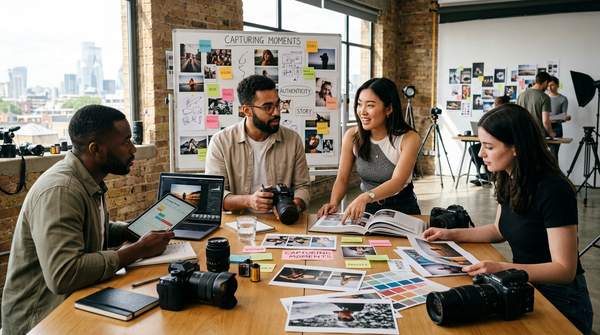
The 4th World Media Lab just announced its largest-ever cohort of Indigenous filmmaker fellows: a record 15 individuals. A 25% increase from the previous year, according to the Media Lab Annual Report, marks a significant push for diverse storytelling in an industry historically lacking it.
The 4th World Media Lab is expanding opportunities for Indigenous filmmakers, but the broader industry still struggles with equitable funding and distribution for these vital voices.
Therefore, while programs like the 4th World Media Lab are crucial, sustained industry-wide commitment beyond fellowships is necessary to achieve true representation and impact.
What is the 4th World Media Lab?
Founded in 2018, the 4th World Media Lab empowers Indigenous filmmakers, offering resources and a platform for their stories, according to a Lab History Document. Tangible success has resulted from this support, with previous fellows securing distribution deals on major streaming platforms and winning awards at international film festivals, based on Alumni Success Stories. The program prioritizes cultural authenticity and narrative sovereignty, ensuring stories come directly from Indigenous communities, states the Lab Mission Statement. This commitment to self-representation is vital for correcting historical misrepresentations and fostering genuine cultural exchange.
Who are the 2024 Indigenous Filmmaker Fellows?
The 2024 cohort includes 15 directors, screenwriters, and producers, spanning genres from documentary to sci-fi, according to the Fellows Roster. Their projects tackle critical contemporary issues like climate change and cultural revitalization, as noted in Project Synopses. The diverse slate showcases the breadth of Indigenous creativity and addresses urgent global concerns through a unique cultural lens. As fellow Maya Redbird noted, the lab offers 'a crucial space to develop stories without compromising our cultural integrity,' in an Interview with Maya Redbird. The cohort's varied projects and perspectives actively challenge existing narratives, expanding the very definition of cinema.
What are the challenges for Indigenous films?
Indigenous characters represented less than 0.5% of speaking roles in top-grossing films from 2019-2022, a study from the USC Annenberg Inclusion Initiative found. The stark underrepresentation is compounded by the fact that films by Indigenous directors, even critically acclaimed ones, often struggle to secure adequate marketing and distribution budgets compared to mainstream productions, reports the Sundance Institute Report. The industry's gatekeepers effectively silence these voices. Funding for Indigenous arts and media initiatives remains significantly lower than for other cultural sectors, according to National Endowment for the Arts Data from 2020. The systemic underrepresentation and funding disparity is not accidental; the industry's persistent underfunding and limited distribution of Indigenous projects suggests a deliberate choice to maintain existing power structures, hindering true equity despite the Media Lab's strides.
How can Indigenous filmmakers gain more support?
The 4th World Media Lab plans to expand its mentorship network and include more international Indigenous filmmakers in future cohorts, according to the Lab Strategic Plan from 2023. This expansion is crucial, but industry experts also urge major studios to actively seek out and invest in projects developed through programs like the Media Lab, according to a Film Industry Analyst. Without this direct investment, talent nurtured by the Lab may still face insurmountable barriers. Advocacy groups are pushing for policy changes, aiming to mandate greater diversity in film funding and production, reports the Indigenous Media Coalition. The long-term success of these fellows hinges on sustained support and fundamental structural shifts within the industry. Major platforms, by overlooking these voices, not only miss a significant market opportunity but also betray their stated commitments to diversity.
Your Questions Answered
How are fellows selected for the 4th World Media Lab?
Fellows undergo a competitive application process, reviewed by a panel of Indigenous filmmakers and industry professionals, according to the Lab FAQ Page from 2024. This rigorous selection ensures promising talent receives support.
What kind of support do 4th World Media Lab fellows receive?
Fellows receive project grants, one-on-one mentorship, workshops, and networking opportunities, according to Program Details from 2024. These resources directly foster their creative and professional growth.
Can audiences watch films by previous 4th World Media Lab fellows?
Many films by past fellows are available on major streaming platforms or through independent distribution channels, according to a list on the Lab's Website updated in 2024distributors. A comprehensive list is accessible on the Lab's Website, making their work widely accessible.
If the broader industry fails to match the 4th World Media Lab's commitment, Indigenous voices will likely remain marginalized, despite their burgeoning talent and critical importance.