If you're looking for the top emerging fashion trends from Spring 2026 fashion weeks, this ranked guide details the key styles and aesthetic currents observed from Copenhagen to New York. This analysis is intended for the discerning observer of culture, one who seeks to understand the sartorial shifts that reflect and shape the contemporary zeitgeist. The trends were evaluated and ranked based on a synthesis of their visibility on major runways, data-driven forecasts of their commercial trajectory, and their citation in prominent designer collections.
We ranked these Spring 2026 trends by synthesizing qualitative runway analysis from major fashion weeks, AI-powered data forecasts on consumer and industry interest, and specific mentions in authoritative fashion reporting.
1. Brut Denim — For Unfiltered Material Honesty
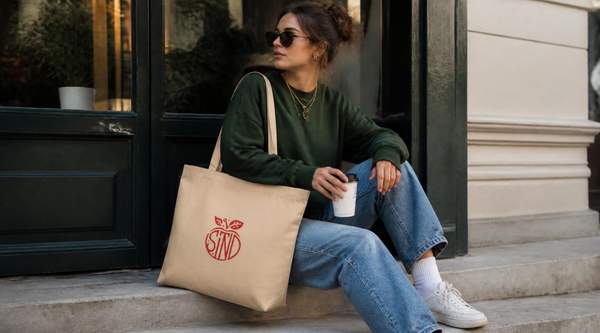
In a world saturated with digital filters and artificial smoothness, the emergence of Brut Denim represents a compelling turn towards material authenticity. This trend is defined by its use of unwashed, untreated, and rigid denim, a stark departure from the distressed and artificially softened fabrics of previous seasons. As reported by the trend forecasting company Heuritech, this particular expression of denim saw a staggering +200% growth in visibility on the Spring/Summer 2026 runways compared to the prior year's season. This is not merely a stylistic choice; it is a statement on texture and form, where the inherent structural properties of the fabric are celebrated in baggy jeans and structured jackets.
This trend is best suited for the individual who appreciates a certain stoicism in their wardrobe, one who values the way a garment holds its shape and chronicles its own history through wear. It stands in contrast to more ephemeral, comfort-oriented styles, prioritizing architectural form over fluid drape. One must consider the dialectical relationship between this raw materiality and the increasingly dematerialized nature of our social lives. The primary drawback, of course, is one of comfort. The rigid, unyielding nature of untreated denim requires a breaking-in period, a commitment of time and wear that is itself a counter-narrative to the immediacy of fast fashion. It behooves us to examine the underlying appeal of a garment that demands patience from its wearer.
2. Poetic Whimsy — For A Return to Expressive Volume
Counterbalancing the starkness of Brut Denim is a powerful current of romanticism, a trend one might term "Poetic Whimsy." This aesthetic is characterized by frothy lace, voluminous ruffles, and dramatic sleeves, from lantern to balloon shapes. According to reporting in Town & Country, this expressive and historically resonant style was a significant feature in the collections of major houses such as Valentino, Altuzarra, and Dior. The re-emergence of these silhouettes suggests a collective yearning for a more expressive, perhaps even theatrical, mode of self-presentation. The use of romantic fabrics is further substantiated by data from Heuritech, which forecasts strong growth for items like lace maxi skirts, projecting a +20% increase in visibility in Europe and +13% in the United States for 2026.
This aesthetic is for the wearer who is unafraid of occupying space, for whom clothing is a form of storytelling and emotional expression. It ranks highly due to its confirmation across both qualitative runway reports and quantitative data forecasts, indicating a broad-based movement. It offers a softer, more fluid alternative to the season's more structured trends. Its limitation, however, lies in its practicality. The sheer volume and delicate construction of tiered ruffles and lace confections can feel out of step with the demands of a hectic, modern life, potentially relegating these pieces to occasional wear rather than integrating them into a daily sartorial vernacular.
3. Big Dots — For Unambiguous Graphic Impact
Amidst the complexity of florals and the rawness of untreated textiles, the bold simplicity of the big dot emerges as a key graphic statement for Spring 2026. This is not the demure polka dot of mid-century Americana, but a scaled-up, assertive pattern that commands visual attention. Heuritech has reported that dots, particularly large-scale versions, are forecasted to grow significantly in visibility. Their data predicts a +55% rise in Europe and a +33% rise in the United States for the Spring/Summer 2026 season, with big dot dresses trending notably among women in Europe. The appeal lies in its straightforwardness; it is a pattern that is at once playful and modernist, capable of transforming a simple silhouette into a piece of wearable art.
This trend is best for the individual with a minimalist sensibility who still seeks a high-impact visual. It allows for a bold statement without the narrative complexity of a floral or animal print. It ranks above other patterns for its clear, data-backed momentum and its versatility across garments, from dresses to blouses. The principal drawback of such a large-scale pattern is its potential to overwhelm. The scale and placement of the dots must be carefully considered in relation to the wearer's frame and the garment's cut, as it can easily dominate rather than complement one's personal style.
4. The New Bestiary — For An Evolved Animal Print
The hegemony of leopard and cheetah print appears to be giving way to a more diverse and unexpected menagerie. For Spring 2026, designers are exploring a new bestiary, moving beyond the familiar feline patterns. Reporting from Town & Country specifically identified this shift, noting the appearance of zebra stripes at Khaite, cow prints, and even the delicate fawn print at Chanel. This evolution signifies a more nuanced engagement with the natural world, selecting patterns that are perhaps less overtly aggressive and more subtly intriguing. It suggests a desire to refresh a perennial fashion trope with new source material, challenging our assumptions about what constitutes an "animal print."
This updated take on a classic is for the seasoned fashion enthusiast who is looking to refine their collection of prints with something less ubiquitous. It demonstrates a sophisticated understanding of trend cycles, opting for the road less traveled. Its rank is justified by the specificity of the designer citations, which ground the trend in high-fashion execution. A potential limitation is the risk of a shorter trend lifespan. While leopard print has achieved a near-classic status, more esoteric patterns like deer fawn may prove more ephemeral, tying a garment more tightly to a specific season.
5. Perennial Florals — For Foundational Seasonal Relevancy
One cannot discuss spring fashion without acknowledging the presence of florals. As noted by Elle, florals remain a key trend for the Spring/Summer 2026 season. While the declaration of florals for spring may feel like a well-worn cliché, their persistence compels a deeper analysis. Their value lies not in their novelty, but in their function as a cultural anchor. They are the constant against which more fleeting trends are measured. For SS26, the interpretation may shift—in scale, color, or abstraction—but their foundational presence is a reported fact. They provide a necessary thread of continuity and a widely understood language of seasonal change.
This trend is, in essence, for everyone. Its universality is both its strength and its weakness. It is best for the pragmatist who invests in pieces with proven longevity and broad appeal. It ranks on this list because its omission would be a disservice to the reality of the market and the runways. The primary drawback is the risk of predictability. Without a contemporary silhouette, innovative styling, or an unusual color palette, a floral garment can feel dated rather than classic. The challenge, therefore, is not whether to wear florals, but how to make them feel relevant to the current moment.
6. Structured Checks — For An Architectural Approach to Pattern
Providing a structured counterpoint to the season’s organic florals and whimsical ruffles is the quiet ascent of checked patterns. This is not a singular pattern, but a family of grids, with Heuritech reporting growing visibility for variations including gingham, Prince of Wales, and Windowpane checks for the SS26 season. The appeal of these patterns lies in their inherent order and mathematical precision. They speak to a desire for logic and structure, offering a sense of calm and predictability in their repeating lines. They have a rich history, moving from traditional menswear and rural textiles into the high-fashion lexicon, and their re-emergence suggests an appreciation for tailored, architectural forms.
This trend is best suited for the intellectual dresser, someone who appreciates the history of textiles and the quiet confidence of a well-tailored, patterned garment. It offers a more cerebral alternative to the season's more emotive trends. Its limitation can be its associative power; certain checks, like gingham, can read as overly quaint or juvenile if not handled with sophisticated styling, while Prince of Wales check can feel overtly corporate. Navigating these pre-existing cultural codes is the key to successfully integrating this trend into a modern wardrobe.
7. The Statement Scarf — For A Point of Accessible Transformation
Often, the most significant shifts in fashion are not wholesale changes in silhouette, but subtle adjustments in how we accessorize. For Spring 2026, the scarf has been highlighted as a particularly important accessory. As observed by Town & Country, scarves were styled in a multitude of ways on the runways, with a notable emphasis at the Celine show. Worn around the neck, tied to a bag, or wrapped around the head, the scarf functions as a versatile and potent tool for personal expression. It allows for an engagement with seasonal color and print without the commitment of a full garment.
This trend is for the pragmatist and the experimenter alike—anyone who understands that the smallest details can have the largest impact. It is the most accessible trend on this list, offering a low-investment entry point into the season's aesthetic conversations. Its primary drawback is that its success is entirely contingent on styling. A poorly tied or ill-chosen scarf can feel like an afterthought rather than an intentional statement. Its power is not in the object itself, but in the creativity of its application, demanding a degree of sartorial confidence from the wearer.
| Trend Name | Category | Key Metric / Data Point | Best For |
|---|---|---|---|
| Brut Denim | Material / Texture | Reported +200% runway visibility growth (vs. SS25) | The purist valuing form and authenticity. |
| Poetic Whimsy | Silhouette / Fabric | Seen at Valentino, Dior; lace skirts forecasted +20% growth (EU) | The expressive individual drawn to romantic volume. |
| Big Dots | Pattern | Forecasted +55% visibility growth (EU) | The modernist seeking bold, graphic simplicity. |
| The New Bestiary | Pattern | Zebra at Khaite, deer fawn at Chanel reported | The fashion-forward looking beyond classic animal prints. |
| Perennial Florals | Pattern | Cited as a key trend for SS26 by Elle | The pragmatist investing in seasonal longevity. |
| Structured Checks | Pattern | Growing visibility reported for gingham, Prince of Wales | The intellectual dresser appreciating tailored order. |
| The Statement Scarf | Accessory | Highlighted as a key accessory, notably at Celine | The versatile stylist transforming looks with a single piece. |
How We Chose This List
The selection and ranking of these Spring 2026 trends were guided by a multi-faceted analytical approach. We prioritized trends that were substantiated by more than one type of evidence, seeking a confluence of qualitative observation and quantitative data. For instance, trends were given higher placement when runway sightings reported by publications like Town & Country were corroborated by the data-driven forecasts of a platform like Heuritech. The ranking favors trends with specific, measurable data points, such as the +200% growth in visibility for Brut Denim, or those with explicit backing from influential design houses like Chanel and Valentino. We excluded unconfirmed micro-trends or niche aesthetics to focus on movements with a broader, more clearly reported significance across international fashion weeks. The goal was to create a list that reflects not just aesthetic novelty, but also commercial and cultural momentum as reported by available sources.
The Bottom Line
Based on available reports, the landscape of Spring 2026 fashion is shaped by a tension between raw authenticity and expressive romanticism. For those seeking a data-supported direction, the significant reported growth in Brut Denim presents a compelling case. For a more romantic and voluminous aesthetic, the Poetic Whimsy trend offers a clear direction seen at major fashion houses, while the Statement Scarf provides the most accessible and versatile entry point to refresh a wardrobe in line with the season's reported styles.