6 Sustainable Fashion Brands with Verifiable Ethical Production

Only two of the world's 250 largest fashion brands disclose how many of their workers are paid a living wage, according to Fashion Revolution .

YE
Yasmin El-Sayed

April 14, 2026 · 5 min read

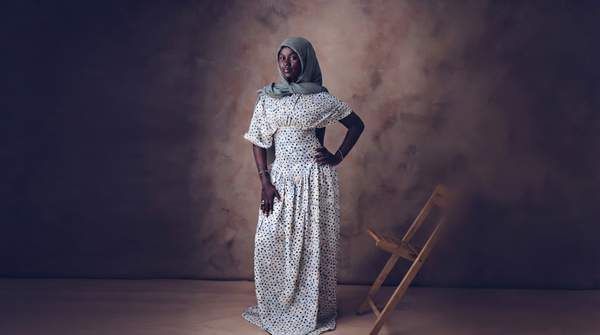
Diverse garment workers proudly display sustainable clothing, symbolizing ethical production and fair labor practices in the fashion industry.

Only two of the world's 250 largest fashion brands disclose how many of their workers are paid a living wage, according to Fashion Revolution. This stark lack of transparency conceals the true human cost of many garments, revealing a systemic reluctance to provide fundamental data on worker compensation.

Fifty-two percent of 18-24 year olds in France choose brands that promote ethical and inclusive working conditions, according to Threadingchange. Fifty-two percent of 18-24 year olds in France choosing ethical brands reveals a significant disconnect between market demand and industry practice. The gap between consumer values and industry transparency makes genuinely ethical fashion choices difficult for individuals.

Consumer demand for ethical fashion is rising, and regulatory pressure is tightening. Yet, most major brands still fail to ensure living wages or disclose their labor practices. This disparity reveals a fundamental tension between declared values and actual industry conduct.

Companies that prioritize genuine ethical labor alongside environmental sustainability will gain a significant competitive advantage as transparency becomes non-negotiable. Those that do not will face increasing scrutiny and consumer backlash, impacting their standing in the market. To identify the best sustainable fashion brands with ethical production in 2026, consumers must look beyond superficial claims.

6 Brands Leading with Verifiable Ethical Production in 2026

Truly ethical and sustainable production is achievable, as demonstrated by a select group of brands and dedicated collectives. Their success suggests that comprehensive ethical standards, encompassing both environmental and labor practices, are not merely aspirational but represent a viable and expanding market segment.

1. Coyuchi

Best for: Organic home textiles and bedding

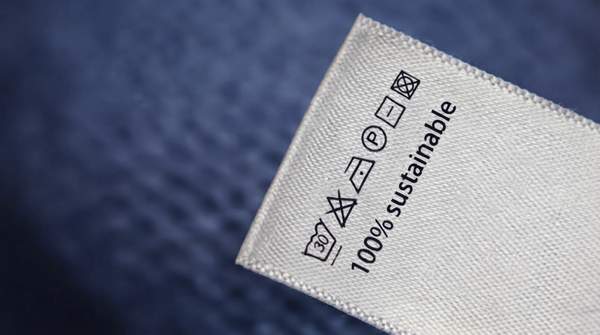
Coyuchi offers a linen sheet set crafted from GOTS certified 100% organic French linen. The linen grows on a seven-year sustainable crop rotation, reflecting a deep commitment to environmentally sound material sourcing, according to USA Today.
Strengths: Strong GOTS certification for organic materials; transparent, sustainable crop rotation practices. | Limitations: Focus primarily on home goods, not apparel. | Price: Premium.

2. The Citizenry

Best for: Globally inspired home decor and rugs

The Citizenry's rugs are Oeko-Tex certified, ensuring they are free from harmful substances. Production occurs sustainably within a fair trade environment, as reported by USA Today. The brand effectively merges product safety with equitable labor practices.

Strengths: Oeko-Tex certified products; commitment to fair trade production. | Limitations: Limited to home decor, not clothing. | Price: Mid to high-range.

3. The Conscious Fashion Collective (CFC)

Best for: Education and networking for sustainable fashion professionals

The Conscious Fashion Collective (CFC) supports over 100 members across five continents, according to Consciousfashion. It provides resources for businesses committed to ethical fashion and sustainable design.

Strengths: Extensive global network; provides expert sessions and community support. | Limitations: Membership-based, not a direct consumer brand. | Price: Membership required.

4. Ethical Fashion Forum

Best for: Industry guidance and platform development

The Ethical Fashion Forum supports and promotes sustainable practices within the industry. The Ethical Fashion Forum's creation of the SOURCE platform in 2012 and subsequent development of the Common Objective platform in 2016 highlights its foundational role in building infrastructure for ethical fashion. These initiatives have been crucial in fostering industry-wide collaboration and knowledge sharing.

Strengths: Long-standing commitment to sustainability; developed foundational industry platforms. | Limitations: Primarily an industry body, not a consumer-facing brand. | Price: Not applicable.

5. SOURCE platform

Best for: Connecting sustainable fashion businesses

The SOURCE platform, created in 2012 by the Ethical Fashion Forum, grew to over 11,000 members in 141 countries. The SOURCE platform's expansion to a network of over 100,000 individuals and organizations shows its significant impact in connecting and empowering a global community dedicated to ethical production.

Strengths: Vast global reach; facilitates connections for ethical production. | Limitations: Business-to-business focus. | Price: Not specified, likely subscription-based for full access.

6. Common Objective platform

Best for: Tailored resources for sustainable fashion professionals

The Common Objective platform was developed in 2016 and launched in May 2018. It provides tailored experiences and information for ethical practices.

Strengths: Focused resources for integrating ethical practices; industry-backed. | Limitations: Primarily a resource platform, not a direct product provider. | Price: Not specified, likely subscription-based.

The Hidden Costs of 'Sustainable' Fast Fashion

Brand/LineClaimed SustainabilityProduct AnalyzedLiving Wage StandardActual Worker Compensation
Zara 'Join Life'Environmental focus (e.g. sustainable materials)HoodieGross hourly wage of €6.19 (Clean Clothes Campaign)Workers could not have received a living wage

Researchers analyzed a Zara hoodie from the 'Join Life' sustainability line to determine its production cost and worker compensation, according to The Guardian. The Clean Clothes Campaign defined a living wage at the time as a gross hourly wage of €6.19. The report concluded workers could not have received this living wage for producing the Zara hoodie. The report's conclusion that workers could not have received a living wage for producing the Zara hoodie reveals that even lines marketed as 'sustainable' by major brands can still fall short on fundamental ethical labor standards, prompting critical questions about greenwashing tactics.

A Shifting Landscape for Ethical Production

Gen Z consumers are willing to spend 10% more on sustainable products, according to Threadingchange. Gen Z consumers' willingness to spend 10% more on sustainable products shows a clear market preference for ethically produced goods. Concurrently, the European Union will set new design requirements for textiles. These mandates aim to make textiles last longer, ease repair and recycling, and include minimum recycled content, according to environment.ec.europa.eu. The convergence of increasing consumer demand and impending regulatory action is poised to redefine 'sustainable fashion,' pushing for more comprehensive ethical standards beyond just materials.

Engaging with the Ethical Fashion Movement

What are the benefits of joining a sustainable fashion collective?

Joining a collective like The Conscious Fashion Collective (CFC) offers access to over 60 recorded sessions from experts at leading organizations in sustainable fashion. Members gain insights into best practices and industry trends, fostering a global community for ethical production. This collaborative model suggests that collective action and shared knowledge are crucial catalysts for accelerating the broader adoption of ethical practices within the industry.

How much does membership to the Conscious Fashion Collective cost?

The annual membership cost for The Conscious Fashion Collective is $497, equivalent to $41 per month, offering a 15% saving compared to a monthly payment plan. This investment equips businesses and individuals with essential resources for sustainable practices.

When are applications open for ethical fashion collectives in 2026?

Membership applications for organizations like The Conscious Fashion Collective close on Thursday, April 30, 2026. Applicants are typically notified by May 5, 2026. Prospective members should check specific collective websites for their application timelines.