Culture

Vietnam Designates November 24 as 'Việt Nam Culture Day' Public Holiday

Vietnam has officially established November 24 as 'Việt Nam Culture Day,' a new annual public holiday providing employees with a paid day off. This move, rooted in a national resolution, aims to bolster cultural identity and integrate heritage celebration into public life.

MR
Matteo Ricci

April 6, 2026 · 5 min read

A vibrant scene of Vietnamese people celebrating 'Việt Nam Culture Day' with traditional clothing, music, and food in a festive public square, highlighting national heritage.

Vietnam has officially designated November 24 as 'Việt Nam Culture Day,' establishing a new annual public holiday that provides employees with a paid day off. This development, rooted in a national resolution to bolster cultural identity, adds a significant date to the country's official calendar and reflects a concerted effort to institutionalize the celebration of Vietnamese heritage.

The introduction of this holiday matters as it represents a tangible outcome of high-level policy aimed at promoting cultural values. The immediate consequence is an increase in the number of official paid holidays for the nation's workforce, a move that impacts labor regulations, business operations, and the tourism sector. According to a report from Vietnam Briefing, the addition will raise the total number of public holidays and Tet-related days off in 2026 to 26 days, factoring in weekends and substituted days off. This formal recognition of culture through a national day of rest underscores a strategic pivot towards integrating cultural appreciation into the rhythm of public and private life.

What We Know So Far

  • November 24 has been officially established as Vietnam Culture Day and will be observed as an annual public holiday.
  • Employees across the country are entitled to a paid day off on this new holiday, as confirmed by multiple reports.
  • The establishment of the holiday is mandated by Politburo Resolution No. 80, which focuses on the comprehensive development of Vietnamese culture.
  • This addition brings the total number of official public holidays in Vietnam to 12, according to reporting from Tuoi Tre News.
  • Initial reports from outlets like Nhan Dan indicated that lawmakers were set to consider the proposal, but subsequent government confirmations have clarified its official status.

November 24 'Việt Nam Culture Day' Legislation Details

The legal and political foundation for the new holiday is Politburo Resolution No. 80, a significant policy document issued on January 7. The resolution, signed by Party General Secretary To Lam, outlines a broad vision for the nation's cultural trajectory into the modern era. It is not merely a decree for a day off but part of a larger strategic framework. The resolution explicitly emphasizes the need to expand public access to cultural activities, foster an environment that encourages creativity among artists, and promote what it terms a "civilized and culturally rich" way of life throughout the country.
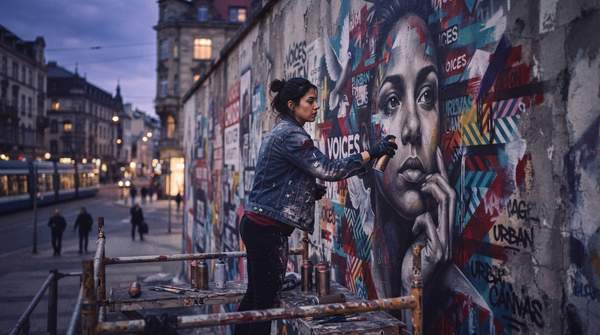
This legislative act institutionalizes a day for national reflection on cultural heritage, traditions, and contemporary artistic expression. By embedding this observance into the national calendar, the government aims to create a recurring, nationwide platform for cultural events, exhibitions, and educational programs. The process leading to this decision reportedly involved consultations with trade unions and other central agencies, suggesting a coordinated effort to align the new holiday with existing labor and social structures. The choice of November 24 is a deliberate one, intended to provide a focal point for celebrating the multifaceted identity of Vietnam, from its ancient traditions to its dynamic contemporary arts scene.

The creation of 'Việt Nam Culture Day' can be seen as a form of cultural statecraft. It provides a formal mechanism for the government to guide and encourage a particular vision of national identity. This move aligns with broader global trends where nations use cultural holidays and festivals to reinforce social cohesion, promote tourism, and assert their unique identity on the world stage. For Vietnam, it is a declaration that culture is a pillar of national development, on par with economic and political priorities.

Impact of New Public Holidays on Vietnam

The addition of a twelfth public holiday has tangible economic and social repercussions. For the workforce, it means an additional guaranteed day of paid rest, contributing to an improved work-life balance. This decision contrasts with recent discussions regarding other holidays; for instance, the Ministry of Home Affairs confirmed that the 2026 holiday schedule for Reunification Day (April 30) and International Workers' Day (May 1) would remain unchanged, despite some public calls for a longer, combined break. This indicates a deliberate choice to introduce a new, culturally focused holiday rather than simply extending existing ones.

From an economic perspective, the impact is twofold. An additional day off can affect productivity and output in manufacturing and service industries. Businesses will need to adjust their operational calendars and factor the paid holiday into their labor costs. Conversely, the holiday presents a significant opportunity for the domestic tourism and leisure industries. A new three-day weekend in late November could stimulate travel, spending at cultural sites, and attendance at special events, providing a potential economic boost to these sectors. The total of 26 days off in 2026, when including all holidays and associated breaks, positions Vietnam as a country that increasingly values leisure and cultural consumption as part of its social fabric.

Socially, the holiday is designed to foster a deeper connection among citizens to their shared heritage. It encourages families and communities to engage with local museums, historical sites, and artistic performances. This state-sanctioned celebration of culture could invigorate local arts scenes and provide new platforms for traditional artisans and contemporary creators alike. The long-term goal appears to be the cultivation of a society where cultural literacy and participation are widespread and deeply valued.

What Happens Next

With 'Việt Nam Culture Day' now official, the Ministry of Culture, Sports and Tourism is tasked with developing its celebration framework. This framework will likely involve organizing national festivals, funding special exhibitions at museums, and promoting cultural education in schools. The first official observance will set the precedent for future years, serving as a key indicator of the holiday's public reception and impact.

The private sector's embrace of 'Việt Nam Culture Day' beyond the mandatory day off remains an open question. There is potential for corporate sponsorship of cultural events or for businesses in the creative industries to launch special initiatives. Achieving the ambitious goals of Resolution No. 80—fostering creativity and a 'culturally rich' society—will depend on sustained investment and genuine public engagement. The holiday's evolution from policy to a vibrant tradition will be a key cultural phenomenon to observe.