Generative AI and immersive realities are both reshaping art, but they are not doing the same job. Generative AI primarily changes how art is made—who or what generates ideas, images, and content—while virtual and augmented reality primarily change how art is experienced—where the audience stands, what it can touch, and how it participates. Lumping both under a single "art tech" label obscures the distinct mechanisms at work in each case.
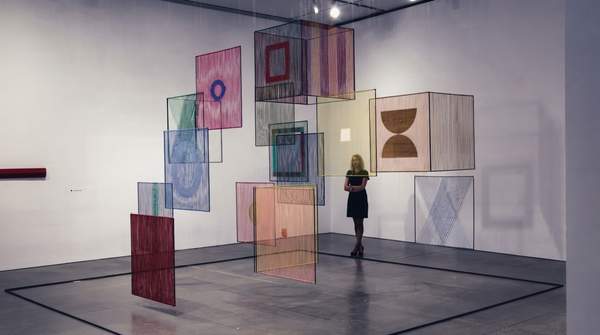
That distinction matters for artists deciding where to invest their time and for institutions planning exhibitions. An AI tool enters the studio as a collaborator in ideation and production; a VR headset enters the gallery as an environment that restructures the relationship between viewer and work. Academic and institutional analysis of both technologies supports this split, and the evidence below traces each technology through the two domains where its effects are felt: creation and consumption.
Introduction: The Dual Revolution in Art
Technology's integration into the visual arts has a long history of reshaping both creation and audience engagement, as Alexandra Bardon's analysis for Lindenwood University traces through the rise of new media—video art, digital installations, and multimedia performances—in the late 20th and early 21st centuries. What is new in the current moment is that two very different technologies are arriving at once, and they act on different sides of the artistic equation.
On one side, generative AI is being used to create content across creative industries, including art, fashion, and film, and can aid production by performing tasks that are too difficult or time-consuming for humans, according to a World Economic Forum report on creative disruption. On the other, VR and AR technologies are being implemented rapidly in artistic practices, prompting academic study of their aesthetic, cognitive, and cultural consequences. Recent research on creative technologies notes that AI tools and immersive creative platforms employing VR have both enabled artists to explore new possibilities and enhance creative flow—but the ways they do so, and what they do to the audience's role, diverge sharply.
Generative AI: Reshaping Artistic Creation and Value
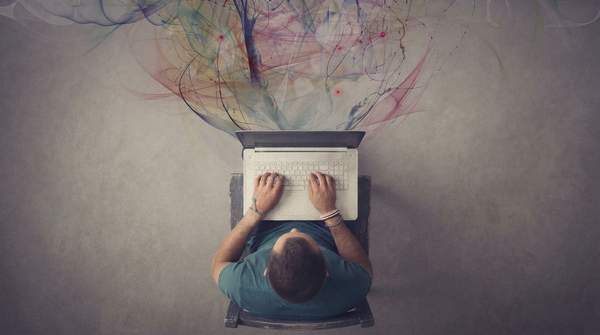
For artists, generative AI functions as a production and ideation instrument. The World Economic Forum's analysis describes AI creating content in creative industries and taking over tasks that strain human time and capacity. In the same vein, research published in a 2025 journal article on creative technologies reports that AI tools have enabled artists and designers to explore new possibilities and enhance creative flow.
Google's own arts program illustrates the institutional investment behind this shift: in 2019 the company announced Artists + Machine Intelligence Grants offering contemporary artists engineering mentorship, access to core Google research, and project funding for creative applications of machine learning. That framing—machine intelligence as a medium for artists to explore—captures the creation-side story: AI extends what a single artist can generate, iterate, and refine.
But the same capability destabilizes older definitions. If a model can produce a plausible image in a recognized style, questions follow about what constitutes genuine creativity and who counts as an author. As Bardon's Lindenwood analysis puts it, the debate touches on "profound philosophical questions about what constitutes genuine creativity — with some believing AI art was a mistake altogether, as it detracts from the creative process and potentially artists' livelihoods." Her piece also flags a material cost beyond aesthetics: the data centers housing generative AI's servers consume enormous amounts of energy and water while producing electronic waste.