Cultural Festivals & Global Unity: 2026 Highlights

In 2026, Prime Minister Anutin Charnvirakul addressed Thailand's Songkran Festival, urging the public to preserve traditions while welcoming international visitors, a move reported by Pattaya Mail .

EV
Eleanor Voss

April 16, 2026 · 5 min read

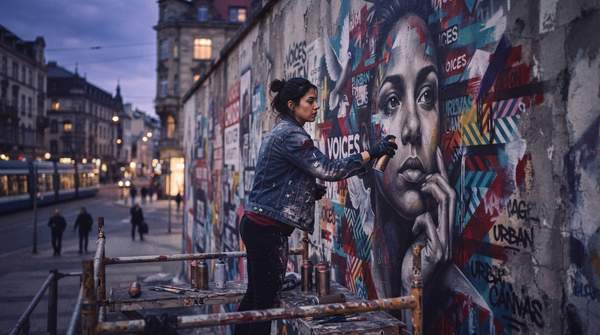
Diverse global audience celebrating a vibrant cultural festival, highlighting unity and the preservation of traditional practices.

In 2026, Prime Minister Anutin Charnvirakul addressed Thailand's Songkran Festival, urging the public to preserve traditions while welcoming international visitors, a move reported by Pattaya Mail. A deliberate strategy is confirmed by this high-level engagement: elevating local traditions into global platforms for national identity and international goodwill, leveraging them as sophisticated tools for international relations and tourism.

Cultural festivals are inherently local and deeply traditional, rooted in specific communities and historical practices. However, they are increasingly being strategically leveraged by governments for global promotion and unity, often transforming their intrinsic character. The tension arises from the dual imperative to both safeguard authenticity and capitalize on international appeal.

The future of major cultural festivals will likely see a continued blend of grassroots tradition and top-down strategic national branding, potentially altering their original character. The strategic shift moves beyond simple support, aiming to weaponize cultural events for broader economic and political gain, a process that risks diluting their original purpose.

Global Stages: Festivals Reach New Audiences

In 2026, the US will host FIFA Fan Festivals in cities like Atlanta, Los Angeles, Miami, and New York, as Travel And Tour World reports. The events aim to celebrate football, culture, and unity, illustrating how global sporting events now integrate cultural outreach. Concurrently, the 2026 Boso Odweegyi Festival, launched with a theme of 'Preserving Our Heritage for Unity and Development' according to MyJoyOnline, further exemplifies this trend. The instances reveal a concerted effort by diverse entities, from international sports organizations to local governments, to brand and globalize cultural celebrations with explicit national or international objectives.

The following festivals further illustrate this evolving landscape of cultural celebration and strategic promotion:


  1. 1. Songkran Festival (2026)

    Thailand's Songkran Festival in 2026 received an official address from Prime Minister Anutin Charnvirakul, who encouraged preserving cultural traditions while welcoming international visitors, according to Pattaya Mail. The government aims to promote Songkran as a leading global festival, highlighting Thailand’s unique cultural heritage and strengthening family reunions, gratitude, and community bonds.

    Strengths: Strong governmental backing for global promotion; integrates traditional values with international appeal. | Limitations: Potential for over-commercialization to overshadow authentic community practices.

  2. 2. FIFA Fan Festivals (2026)

    The US will host FIFA Fan Festivals in 2026 across major cities, including Atlanta, Los Angeles, Miami, and New York, as reported by Travel And Tour World. These events aim to celebrate football, culture, and unity, leveraging a global sporting platform to foster broader cultural exchange.

    Strengths: Global reach through established sports brand; targets diverse international audiences. | Limitations: Cultural elements may be secondary to the primary sporting event; potentially standardized experience.

  3. 3. Ramadan & Eid-Ul-Fitr

    Ramadan and Eid-Ul-Fitr are celebrated by over 2 billion Muslims globally, according to Culturaldiaries. The observance fosters a profound sense of unity and shared cultural experience across diverse nations and communities.

    Strengths: Immense global scale and inherent unifying religious and cultural practices. | Limitations: Not a tourist-centric event; participation is primarily religious and community-based.

  4. 4. Holi

    Holi is a vibrant festival celebrated by people from all religions, nationalities, and ages, notes Culturaldiaries. Its essence lies in transcending social barriers through shared joy and color.

    Strengths: Inclusive participation, fostering spontaneous unity across diverse groups. | Limitations: Can be localized; global promotion varies by region.

  5. 5. Rio Carnival

    Rio Carnival attracts millions of visitors from over 100+ countries, with participants also coming from over 100+ nations, according to Culturaldiaries. The event showcases a vast spectacle of cultural expression and global participation.

    Strengths: Proven global appeal and massive international attendance. | Limitations: High potential for commercialization and tourist-focused experiences over local traditions.

  6. 6. Oktoberfest

    Oktoberfest draws visitors from more than 80 countries, as stated by Culturaldiaries. The traditional German festival has become a significant international gathering, centered around Bavarian culture.

    Strengths: Strong international recognition and established tourism infrastructure. | Limitations: Focus on consumption; cultural authenticity can be diluted by mass appeal.

  7. 7. Boso Odweegyi Festival (2026)

    The 2026 edition of the Boso Odweegyi Festival was launched with the theme 'Preserving Our Heritage for Unity and Development,' as reported by MyJoyOnline. The festival aims to promote rich cultural heritage, foster unity, and drive development within the local community and beyond.

    Strengths: Explicit governmental focus on heritage preservation and community development. | Limitations: Newer to global promotion; less established international recognition compared to others.

Festival NameGlobal Reach (Countries/Participants)Primary Unifying AspectGovernmental Influence (Direct/Indirect)
Songkran Festival (2026)Encourages international visitors; national unity emphasisCultural preservation, national unityDirect (Prime Minister's address, promotional aims)
FIFA Fan Festivals (2026)US hosts across major citiesFootball, culture, unityIndirect (via FIFA and host city endorsements)
Ramadan & Eid-Ul-FitrOver 2 billion Muslims globallyReligious observance, shared cultural identityIndirect (often supported, not managed)
HoliPeople from all religions, nationalities, agesJoy, social barrier transcendenceIndirect (community-driven, some state support)
Rio CarnivalMillions from over 100+ countriesCultural expression, celebrationIndirect (tourism promotion, infrastructure support)
OktoberfestVisitors from more than 80 countriesBavarian culture, communal celebrationIndirect (tourism promotion, city support)
Boso Odweegyi Festival (2026)Aims to promote heritage and developmentHeritage, unity, developmentDirect (official launch, explicit theme)

Crafting Unity: Themes and Traditions

The 2026 Boso Odweegyi Festival’s theme, 'Preserving Our Heritage for Unity and Development,' directly articulates governmental objectives, as MyJoyOnline reports. The explicit framing, alongside an official festival logo, signifies a deliberate branding strategy for traditional events. Songkran, similarly, is described as strengthening family reunions and community bonds, according to Pattaya Mail. The juxtaposition reveals a tension: governments push for local tradition preservation while reframing them with broader national or international developmental goals. The inherent conflict between local authenticity and global utility is created, effectively commodifying authenticity through modern branding efforts.

The Evolving Role of Festivals

As Pattaya Mail reports on Prime Minister Charnvirakul's Songkran address, governments no longer passively support cultural heritage. They actively rebrand local traditions into state-sanctioned global attractions, potentially diluting intrinsic cultural value for economic gain. The strategic hosting of FIFA Fan Festivals in major US cities, documented by Travel And Tour World, alongside the global reach of events like Rio Carnival and Ramadan, noted by Culturaldiaries, signifies a calculated move. Nations leverage established global cultural platforms and existing international interest, often prioritizing strategic branding over organic cultural exchange. The elevation confirms cultural festivals' evolving role as powerful instruments for both heritage preservation and global connection, frequently with overt economic and political underpinnings.

If this trend persists, the delicate balance between preserving authentic cultural heritage and leveraging festivals for national branding will likely remain a central, unresolved tension in the years to come.