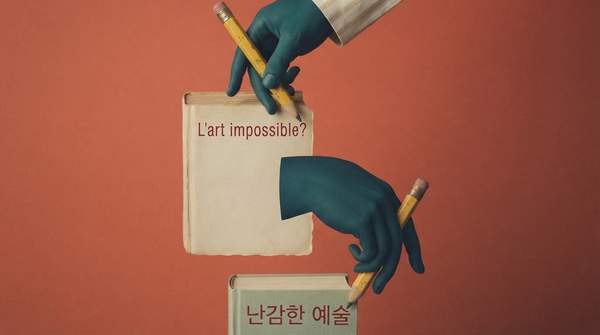
In a striking shift, new literary festivals launched in 2022 intentionally avoid the term 'literary'. signaling inclusivity, attracting younger, marginalized audiences and responding directly to evolving cultural consumption. Such rebranding broadens appeal beyond traditional book enthusiasts, embracing diverse voices and stories to ensure relevance.
Established literary festivals, however, integrate diversity at a slower pace. Newer independent festivals fundamentally reimagine their structure and branding to achieve true inclusivity, contrasting with the incremental changes seen in long-standing events, which may not be the best literary festivals for diverse storytelling in 2026.
Festivals failing to broaden their appeal beyond traditional literary circles risk irrelevance and unsustainability. Economic pressures and a competitive entertainment market amplify this risk, fundamentally reshaping the future of inclusive literary events.
Beyond the Traditional: Festivals Embracing New Audiences
1. Virginia Festival of the Book
Best for: Broad regional readership and established literary programming.
The 32nd annual Virginia Festival of the Book, held March 19-22 in Charlottesville, drew over 20,000 attendees, according to The Cavalier Daily. It spotlighted women's experiences, aligning with Women's History Month. While its long history and high attendance offer stability, its traditional branding may inadvertently limit its perceived inclusivity.
Strengths: Long-standing history, high attendance, and specific programming for diverse voices. | Limitations: Traditional branding may limit perception of inclusivity. | Price: Mostly free events, some ticketed.