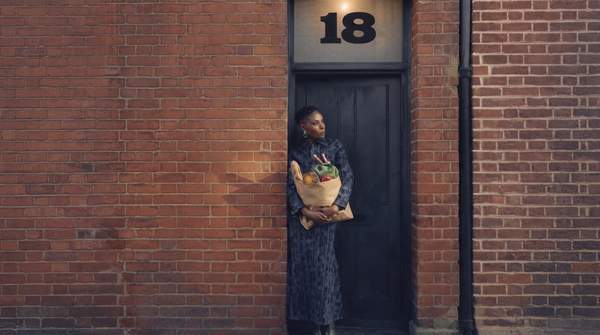
At the Zurich Film Festival's Zurich Summit, an AI-generated actress named 'Tilly Norwood' was unveiled around September 27, 2025, signaling a future where synthetic performers could challenge human creativity and alter the fabric of artistic production. This digital creation, capable of delivering performances without the complexities of human emotion or contractual demands, presented a stark, tangible example of the potential for artificial intelligence to disrupt established creative industries.
This unveiling occurred amidst a contentious debate in the UK, where the government initially sought to allow AI firms free use of copyrighted material for training their models. However, significant backlash from artists, musicians, writers, and parliamentary pressure has since forced a reconsideration of this permissive stance regarding ethical framework AI integration in creative industries for 2026 and beyond.
While the immediate threat to creative copyright has receded, the long-term struggle to balance technological innovation with artist protection will likely continue, with governments navigating a complex and evolving landscape that demands a sophisticated understanding of both economic imperatives and cultural preservation.
The UK government has notably backtracked on its initial position regarding AI training data and copyright, following intense backlash from artists and intellectual property advocates. Technology Secretary Liz Kendall stated that the government no longer favors its original approach, which had proposed an 'opt-out' system for copyrighted material, according to BBC. The pivot indicates a significant shift, as the government now seeks to balance the interests of its globally influential creative industries with the ambitions of burgeoning AI developers. The reversal signals a recognition that unchecked AI development at the expense of established creative rights is politically and ethically untenable, particularly in a nation where cultural exports form a substantial part of the economy.
Initially, the government's proposal suggested a pathway where AI firms could utilize vast datasets of copyrighted works unless individual creators explicitly opted out. This 'opt-out' system, as reported by The Guardian, sparked widespread outrage among British artists, novelists, musicians, and journalists, who argued it effectively permitted the appropriation of their work without fair compensation or prior consent. The subsequent policy adjustment demonstrates a governmental acknowledgment of the creative sector's economic and cultural leverage, forcing a complete policy overhaul rather than minor adjustments. The move highlights a political miscalculation in underestimating the collective power and unified voice of the artistic community.