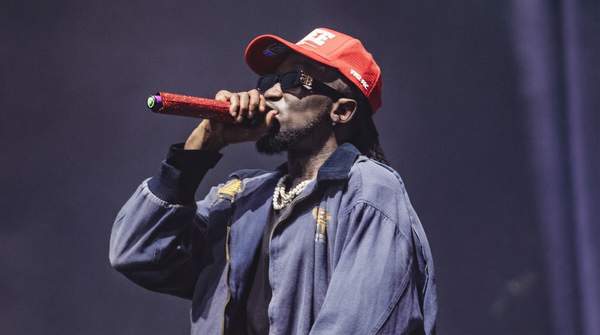
An Afrobeats hypeman is a live-performance emcee whose job is to lift the crowd: a performer who fills the spaces between a song’s lyrics with high-octane, ad-libbed vocals, quips and slang that turn a playback set into a shared event. The style has grown so distinctive that observers now describe it as its own sub-genre, “Afrohype,” with figures such as Toby Shang among its leading lights. Reporting from Lagos by Eromo Egbejule in the Guardian traces the role’s lineage from West African griots and Congolese atalaku performers to today’s Nigerian stages — and finds that what began as crowd energising has become a permanent, and increasingly paid, fixture of the entertainment scene.
The Afrobeats Hypeman: An Explanatory Model
Understanding the hypeman requires holding three things together at once: where the role comes from, what its practitioners actually do on stage, and what they are there to achieve. The historical layer explains why a singer’s sidekick would command attention at all — the role descends from traditions where the person working the crowd was a craftsperson in their own right. The technical layer covers the specific tools: ad-libbed vocals, mic control, call-and-response and local slang. The functional layer is the outcome — dancing, spending, sustained energy across a set.
Each layer reinforces the others. A hypeman who knows the tradition can pace a performance; one with sharp mic technique can execute it; one who reads the room can adapt both to the crowd in front of him. The model below keeps these dimensions distinct so the connections between them stay visible rather than blurred into a general impression of “energy.”
Historical Roots: From Griots to Atalaku
The hypeman’s deepest ancestry lies with West African griots — praise-singers and oral historians whose role was to move audiences with words. The more direct musical ancestor is the Congolese atalaku: the band member in Kinshasa’s soukous orchestras who delivered rhythmic, chanted interjections over the music, exhorting dancers by name and by deed. At the turn of the 21st century, that tradition found its stars in Koffi Olomide and Awilo Longomba, whose success carried the atalaku style far beyond the Democratic Republic of Congo.
The lineage matters because it establishes that crowd-working is a learned craft with a history, not an improvised novelty. Toby Shang’s own path illustrates the continuity in miniature: Egbejule reports that his crowd engagement was honed in high school as a “ginger-man” — an energiser — in a three-man band, before his classmates at the University of Lagos gave him his stage name after a captivating class presentation on the Chinese Ming dynasty.