Monday, August 31, 2026
The Cultural Review
CultureArtMediaBooks
The Cultural Review

Exploring the Intersection of Art, Culture, and Ideas

The Cultural Review offers insightful analysis and commentary on art, media, books, fashion, music, and trends shaping contemporary culture. We provide a platform for thought-provoking discussions and diverse perspectives, fostering a deeper understanding of the world around us.

Sections

  • Culture
  • Art
  • Media
  • Books
  • Fashion
  • Music
  • Trends

Writers

Meet our writers →

Trending Topics

Contemporary ArtCommunity ArtArt HistoryArt ExhibitionsSouth KoreaFashionFashion TrendsFall Fashion

About

  • Contact
  • Privacy Policy
  • Terms of Service

© 2026 The Cultural Review. All rights reserved.

  1. Home
  2. /Music
  3. /AI in Music Creation: Legal Battles and Industry Impact
Music

AI in Music Creation: Legal Battles and Industry Impact

In 2024, the digital echoes of hip-hop legends reverberated with controversy when rapper Drake released two AI-generated tracks aimed at Kendrick Lamar.

AS
Andre Silva

August 31, 2026 · 4 min read

A courtroom scene depicting a gavel made of a microphone striking an AI circuit board, symbolizing legal battles over AI-generated music.

In 2024, the digital echoes of hip-hop legends reverberated with controversy when rapper Drake released two AI-generated tracks aimed at Kendrick Lamar. These songs notably featured AI voice clones of Tupac Shakur and Snoop Dogg, a move that quickly drew legal fire. The estate of Tupac Shakur promptly issued a cease-and-desist letter, asserting the urgent challenge AI music creation tools pose to an artist's identity and legacy.

Yet, a striking dichotomy emerges within the music industry itself. Major record labels, through bodies like the Recording Industry Association of America (RIAA), are initiating legal action against AI music companies such as Suno and Udio for copyright infringement. Concurrently, these same labels are actively forging partnerships with the very AI companies they accuse of unauthorized use, creating a complex and contradictory stance.

The music industry will likely see a period of intense legal and legislative activity to redefine intellectual property in the age of AI, while simultaneously integrating AI tools into its core business models, leading to a hybrid future where human and artificial creativity are intertwined.

The ease with which an artist's distinctive vocal signature can be replicated by artificial intelligence, as seen in Drake's use of Tupac's voice, reveals a gaping void in current legal protections. Digital mimicry, even if intended as homage or satire, directly confronts established notions of celebrity rights and intellectual property. The swift legal response from Tupac Shakur's estate, as reported by Yale Law Journal, lays bare the immediate and tangible threats artists face when their identity becomes a malleable digital asset, demanding robust safeguards against AI-generated music's legal and ethical challenges.

Accessible Tools & Emerging Business Models

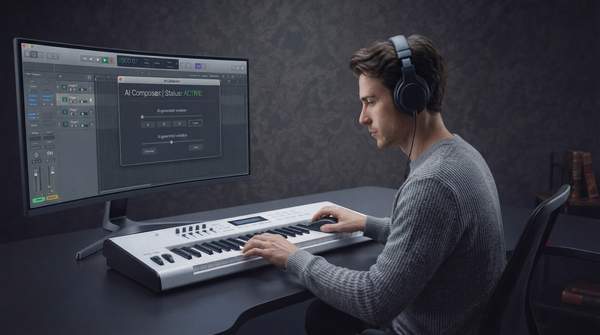
The widespread availability of sophisticated AI music generation tools marks a significant evolution in music creation, making advanced capabilities accessible to a broad user base in 2026. ElevenLabs, for instance, introduced an iOS application named ElevenMusic, which enables users to craft and remix songs through AI and text prompts. This platform currently operates on a free tier, allowing individuals to generate up to seven songs daily, according to TechCrunch. The widespread accessibility of sophisticated AI music generation tools democratizes music creation at an unprecedented pace, simultaneously escalating the potential for widespread copyright infringement and the unauthorized use of artist identities, far outpacing the industry's ability to regulate or litigate.
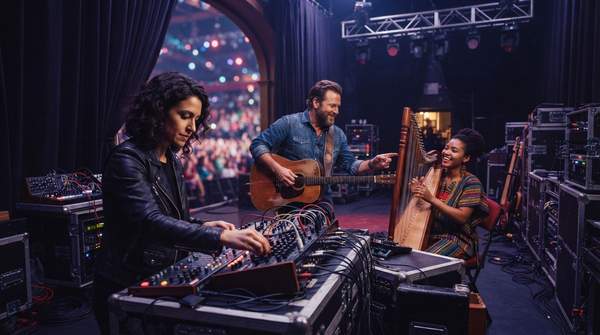

The company views these AI tools as a strategic pathway for growth and a defense against the eventual commoditization of AI audio models, aiming to secure sustainable revenue streams. ElevenMusic's tiered subscription model, offering a Pro tier for $9.99 per month or $95.90 per year for up to 500 tracks and 500 GB of storage, is a strategic move by developers to establish sustainable revenue streams and differentiate themselves in a competitive market, even as AI music tools rapidly democratize creation through accessible platforms and subscription models.

The Industry's Conflicted Embrace & Legal Battleground

The music industry's dual strategy of suing AI music companies while simultaneously partnering with them, as evidenced by the RIAA's legal actions against Udio and Suno alongside major label partnerships with these firms, is a cynical attempt to control the AI narrative and market rather than genuinely protect artists. Major labels, initially expressing apprehension regarding AI music technology, are now forging partnerships with AI companies like Udio and Suno, according to The Guardian. The calculated co-option of AI companies occurs even as the Recording Industry Association of America initiated legal action against these same AI music companies, alleging unauthorized training on label artists.

Artists operating in the current AI music landscape are navigating a legal void, where even a superstar like Drake faces a cease-and-desist from Tupac's estate for AI voice cloning, highlighting the urgent need for comprehensive federal protections like the proposed NO FAKES bill to safeguard identity. The NO FAKES bill, introduced in 2024, proposes a federal property right for an individual's voice or visual likeness, as reported by Yale Law Journal. The dual approach of industry partnership and aggressive legal action, coupled with legislative efforts, reveals a profound struggle to redefine intellectual property and artist rights in the face of AI's transformative power.

How has AI changed music production?

The widespread accessibility of AI music tools, like ElevenMusic's free tier, offering seven songs a day, means the floodgates for potential copyright infringement and unauthorized identity use are wide open. The widespread accessibility of AI music tools has democratized music creation significantly, allowing more individuals to produce tracks quickly and experiment with new sounds and styles.

What are the best AI music generators in 2026?

While "best" remains subjective and evolving, companies like ElevenLabs, with its ElevenMusic app, and others such as Udio and Suno, are prominent in 2026. These platforms allow users to create and remix songs using AI and text prompts, demonstrating rapid advancements in AI music composition capabilities.

Can AI compose original music?

Yes, AI tools can compose what appears to be original music, generating novel melodies, harmonies, and even full arrangements from text prompts. However, the originality often stems from training on vast datasets of existing music, raising complex questions about intellectual property and true creativity in the artistic process.

By Q4 2026, the intensifying legal battles between the RIAA and AI firms like Suno and Udio will likely force a clearer definition of intellectual property, fundamentally reshaping how artists protect their identities and how AI tools like ElevenMusic integrate into mainstream production.

Related Coverage from Music

  • Pioneers of Music Fusion: Bridging Worlds
  • What Is Comfort-First Fashion and Why Does It Matter?

Tags

AiMusicCopyrightIntellectual PropertyDrakeTupac ShakurSnoop DoggRiaaSunoUdio
AS

Andre Silva

Music & Media Writer

Andre Silva is a Music & Media Writer at The Cultural Review, where he covers contemporary music, digital media, and cultural trends. He approaches his writing with a dedication to providing insightful analysis and exploring the broader cultural impact of sound and media.

More from Music

Ghanaian highlife pioneer Ebo Taylor playing a guitar in a vintage recording studio, symbolizing the fusion of global music genres.

Pioneers of Music Fusion: Bridging Worlds

Decades after his initial recordings, Ghanaian highlife pioneer Ebo Taylor's tracks, like the resonant 'Love & Death,' were rediscovered by a global audience.

Andre Silva· Aug 31
Thousands of music fans enjoying bluegrass music and a lively atmosphere at the Ionia Freak Fair in Michigan.

Ionia Freak Fair draws thousands for bluegrass music

More than 27,000 revelers are expected to descend upon Ionia, Michigan, for Billy Strings' inaugural Freak Fair, nearly tripling the town's population, according to Local Spins .

Andre Silva· Aug 29
A 90-year-old fiddler shares a traditional tune with a large, multi-generational audience at a lively folk festival in Appalachia.

What Is the Cultural Significance of Folk Festivals?

In a small Appalachian town, a 90-year-old fiddler recently taught a five-generation-old tune to 2,000 festival-goers, many under 30.

Andre Silva· Aug 28
A tranquil hospital room where ambient music plays, promoting a sense of calm and healing for a resting patient.

What is ambient music and how did it evolve?

In hospital rooms across the globe, the subtle hum of ambient music is proving more effective than some medications at calming anxious patients.

Andre Silva· Aug 27

Trending Now

1
A young Gen Z individual thoughtfully examining a CD case in a modern record store, highlighting the resurgence of physical music media.

Why Are Young People Buying Physical Media in 2026?

Media· 14 views
2
A vibrant, monumental street art mural on a brick wall in a bustling city at dusk, with people admiring the colorful artwork under warm streetlights.

The History and Cultural Significance of Street Art and Graffiti: An Explainer

Art· 21 views
3
A dynamic, futuristic concert scene with diverse people dancing under neon lights, symbolizing the global emergence of new music genres in 2026.

Top 7 Emerging Music Genres to Watch in 2026

Music· 18 views
4
New Zealand Parliament building under a stormy sky with silhouettes of young people in the foreground, symbolizing the debate over social media restrictions for minors.

New Zealand Prime Minister Proposes Social Media Ban for Under-16s

Wellness· 8 views
5
Abstract visualization of a global soundscape with swirling colors and dynamic lines representing diverse musical influences and technological fusions.

11 Emerging Music Trends Redefining Global Soundscape

Music· 16 views
6
A close-up of a deconstructed fashion garment, showcasing exposed seams, raw edges, and visible construction details, symbolizing the philosophy of unfinished beauty and design innovation.

What Is Deconstructed Fashion? A Philosophy of Unfinished Beauty

Fashion· 9 views