A single plain beige cashmere sweater from The Row is now considered more impactful in fashion circles than a flashy, logo-emblazoned t-shirt, according to Fibre2Fashion. This counterintuitive finding challenges traditional notions of luxury, where overt branding historically signaled status and exclusivity. The shift indicates a deeper re-evaluation of value within high fashion, moving away from explicit displays toward intrinsic quality.
Despite this move towards subtlety, luxury consumption is on the rise, yet the visible markers of that luxury are becoming increasingly discreet. The tension between rising luxury consumption and discreet visible markers highlights a calculated strategy by the affluent to create an exclusive, impenetrable status symbol, deliberately alienating those who rely on overt branding for social signaling.
Brands that fail to adapt to this demand for understated quality and perceived authenticity risk losing market share to those embracing a more refined aesthetic. This evolution suggests a new class divide within the luxury market itself, where discernment, rather than mere purchasing power, becomes the ultimate arbiter of status.
What Defines Quiet Luxury?
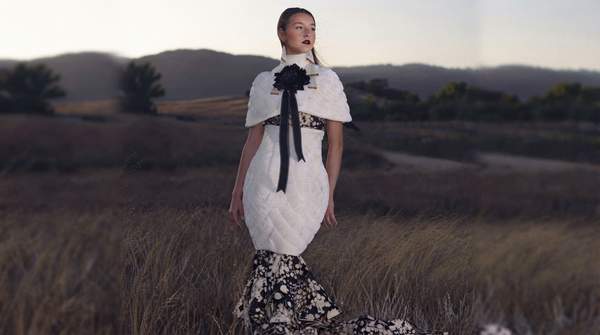
Quiet luxury emphasizes discreet quality, superior craftsmanship, and timeless design over overt branding, allowing the product's intrinsic value and wearer's discernment to speak for themselves. This aesthetic prioritizes longevity and understated elegance, often utilizing premium materials like cashmere, silk, or fine wool. Based on Fibre2Fashion's observation that a plain beige cashmere sweater by The Row can be more impactful than a logoed t-shirt, luxury brands relying solely on logo-driven marketing are likely to lose relevance among discerning, affluent consumers.
This approach moves beyond simple minimalism, which often focuses on basic forms and limited palettes. Instead, quiet luxury is characterized by meticulous tailoring, subtle detailing, and an overall sense of refined restraint. It suggests a move from conspicuous consumption to conscious, informed consumption as the ultimate status marker, where understanding value requires insider knowledge.
The Roots of Understated Elegance
The concept of quiet luxury is not entirely new but represents a resurgence of classic luxury values, adapted for contemporary sensibilities that prioritize discretion and lasting appeal. Historically, true affluence often manifested through bespoke garments and high-quality materials, whose worth was recognized by a select few rather than broadcast to the masses. The term itself, 'quiet luxury,' gained prominence in the early 2000s, according to Wikipedia, reflecting a cyclical return to these principles.
This trend draws on design principles that favor clean lines, neutral color palettes, and impeccable fit over transient trends or flashy embellishments. It implies a deeper appreciation for the garment's construction and material integrity, rather than its immediate brand recognition. The impact of quiet luxury isn't about broad visibility, but about perceived discernment, suggesting a shift from ostentatious display to a more private, informed enjoyment of luxury goods.
Why This Trend Resonates Now
A desire for authenticity, investment in quality, and a rejection of performative consumption amidst economic uncertainty and a saturated digital landscape is reflected in the rise of quiet luxury. In 2026, consumers are increasingly seeking items that offer enduring value and a sense of personal style, rather than fleeting trends. The fact that true luxury has become a secret handshake forces brands to invest in unparalleled quality and craftsmanship rather than just brand recognition to maintain their elite appeal.
This shift also speaks to a broader cultural fatigue with overt displays of wealth, particularly in an era where social media often commodifies personal identity. Quiet luxury allows the affluent to signal their status to a select, knowledgeable audience without inviting the broader scrutiny or envy associated with explicit branding. It might inadvertently widen the gap between those who 'know' true luxury and those who 'show' it, creating a new class divide within the luxury market itself.
Your Questions About Quiet Luxury, Answered
Why is quiet luxury popular?
Quiet luxury is popular because it offers a sophisticated alternative to overt branding, resonating with consumers who prioritize quality, craftsmanship, and timeless design. It allows individuals to express their status through subtle cues understood by a discerning few, rather than relying on widely recognizable logos. This approach also aligns with a growing desire for sustainable consumption, favoring durable, high-quality items over disposable fast fashion.
How does quiet luxury reflect societal values in 2026?
In 2026, quiet luxury reflects a societal value shift towards discretion, informed consumption, and a subtle form of gatekeeping within elite circles. It signals a move away from the performative aspects of luxury often seen on social media, emphasizing a deeper appreciation for intrinsic value and personal discernment. This trend suggests a cultural preference for authenticity and longevity, aligning with a broader skepticism towards superficial displays of wealth.
The Enduring Appeal of Discretion
Quiet luxury is poised to remain a dominant force, influencing both consumer behavior and brand strategies as the definition of true luxury continues to evolve towards understated sophistication. This calculated strategy by the affluent to create an exclusive, impenetrable status symbol actively distances itself from overt branding, deliberately alienating those who rely on flashy logos for social signaling. The market will likely continue to reward brands that prioritize impeccable craftsmanship, timeless design, and high-quality materials.
As consumers increasingly prioritize longevity and subtle sophistication, luxury brands heavily reliant on logo-mania will likely face declining relevance among the most discerning buyers. By 2027, companies like LVMH and Kering may see continued growth in their brands that embody quiet luxury principles, while those with a strong emphasis on visible branding will need to re-evaluate their strategies to capture the evolving preferences of the affluent market.