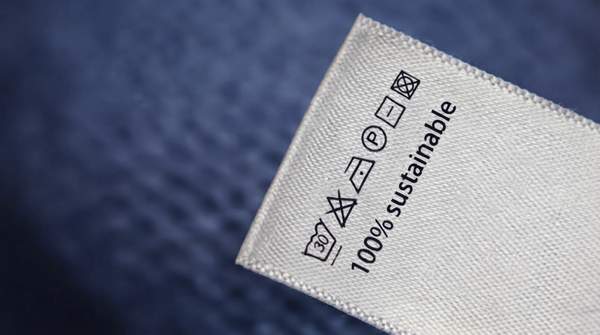
A classic cut t-shirt from UK-based Yes Friends costs less than £4 to produce, yet meets 'Good' or 'Great' sustainability standards according to Good On You. This allows the brand to sell the t-shirt for £7.99, making genuinely sustainable fashion accessible. Consumers are actively choosing brands that prioritize ethical labor and eco-friendly materials, according to Vocal Media. However, the perception persists that sustainable clothing always carries a prohibitive price tag, as noted by instituteofsustainabilitystudies. Yes Friends directly contradicts this, demonstrating that ethical production can result in products sold for under £8. This challenges traditional industry pricing models and suggests conscious consumption is becoming less of a luxury and more of a mainstream choice. Brands failing to innovate their supply chains to deliver genuinely sustainable products at competitive price points risk losing market share to agile, ethical competitors.
Europe's Top Sustainable Brands: What to Look For
Europe hosts 86 sustainable clothing brands rated 'Good' or 'Great' by Good On You's methodology. Ethical and eco-friendly practices are becoming increasingly scalable, moving beyond niche, high-cost endeavors and offering diverse options for conscious consumers.
1. Anekdot
Best for: High-end, unique designer intimate wear and loungewear with a focus on circularity.
Berlin-based Anekdot creates sustainable designer underwear, swimwear, and loungewear by upcycling production leftovers and deadstock materials. This approach proves luxury items can be crafted entirely from discarded resources, transforming waste into desirable fashion. Its reliance on available deadstock results in limited runs and a premium price, reflecting artisanal craftsmanship and unique sourcing.
2. Yes Friends
Best for: Everyday consumers seeking affordable, basic apparel with verified sustainability credentials.
UK-based Yes Friends offers affordable clothing with 'Good' or 'Great' sustainability ratings from Good On You. Their classic t-shirts, produced for less than £4, retail for just £7.99. This pricing model directly addresses the myth that sustainable fashion must be expensive, making ethical choices accessible for budget-conscious shoppers without compromising on environmental or labor standards. While its product range focuses on simple, essential basics, its transparency about production costs sets a benchmark for accessibility.
What Makes a Brand Truly Sustainable?
Identifying genuinely sustainable brands requires understanding rigorous criteria to distinguish authentic efforts from 'greenwashing'. Good On You assesses brands using a comprehensive system, evaluating environmental impact, labor conditions, and animal welfare. A structured approach provides clarity in a market saturated with vague eco-claims.
| Sustainability Aspect | Description/Focus | Benefit to Consumer | Challenge for Brands | |
|---|---|---|---|---|
| Material Sourcing | Utilizes certified plant-based, recycled, or upcycled materials, avoiding virgin synthetic fibers. | Ensures lower environmental footprint, reduced waste, and often better material quality. | Securing traceable, certified materials globally; higher initial material costs. | |
| Ethical Production | Guarantees fair wages, safe working conditions, and no child labor across the supply chain. | Supports human rights and social equity, aligning purchases with personal values. | Complex global supply chains make monitoring difficult; increased labor costs. | |
| Product Longevity | Designs products for durability, offering repairs, take-back schemes, or circular models. | Reduces consumption and waste, provides long-term value for money. | Requires investment in material quality, design, and after-sale services. | |
| Certifications (e.g. B Corp) | Achieves third-party verification of social and environmental performance, accountability, and transparency. | Provides independent assurance of a brand's commitment beyond self-claims. | Rigorous assessment process, ongoing compliance, and potential costs for certification. |
Genuine sustainability extends beyond materials to include product longevity, repairs, take-back schemes, and fair wages, as noted by Marie Claire UK. Certifications like B Corp provide independent verification of a brand's commitment, crucial for consumers navigating a market prone to greenwashing.
Making Sustainable Choices Accessible
The growing number of 'Good' or 'Great' rated sustainable brands, 86 in Europe alone, confirms a critical shift: ethical fashion is no longer a niche luxury but a scalable, accessible market segment. The expansion offers both affordability and innovative design, empowering consumers to make ethical choices without perceived compromise. Brands like Yes Friends demonstrate cost-effective, ethically produced garments are readily available, while designers like Anekdot prove high-fashion aesthetics can align with circular economy principles. This diversity caters to varied tastes and budgets, making a sustainable wardrobe a practical reality for many. The collective impact pushes the industry towards greater transparency and accountability.
The market share of brands prioritizing genuine sustainability and transparent supply chains will likely expand further, driven by informed consumer demand. Yes Friends' model, with t-shirts produced for under £4, offers a clear benchmark for how affordability can coexist with ethical manufacturing, setting a new standard for the fashion industry.
Your Sustainable Fashion Questions Answered
What are the best eco-friendly materials for clothing?
Beyond recycled cotton and polyester, innovative materials like Tencel Lyocell, derived from sustainably sourced wood pulp, offer exceptional softness and breathability. Piñatex, a leather alternative made from pineapple leaf fibers, provides a durable and cruelty-free option for accessories and footwear. Hemp and organic linen also remain strong choices due to their minimal water and pesticide requirements.
How can consumers verify a brand's sustainability claims?
Beyond checking for 'Good' or 'Great' ratings from platforms like Good On You, consumers should look for specific certifications such as GOTS (Global Organic Textile Standard) for organic fibers, Fair Trade for ethical labor, and Bluesign for chemical safety. Transparent brands often publish annual impact reports or provide detailed supply chain maps on their websites, offering deeper insight into their practices.
Does sustainable fashion compromise on style or durability?
The notion that sustainable fashion compromises on style or durability is increasingly outdated, with brands now offering diverse aesthetics from minimalist basics to avant-garde designer pieces. Many ethical brands prioritize quality craftsmanship and durable materials, designing garments meant to last beyond seasonal trends. This focus on longevity often results in higher-quality items that withstand wear better than fast fashion alternatives.