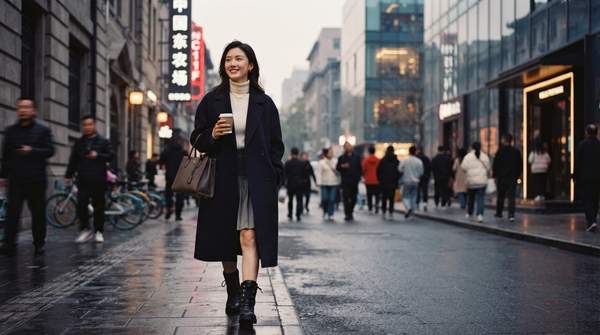
Après Style (阿普瑞风, ā pǔ ruì fēng) is a Chinese fashion trend that takes French après-ski fashion off the slopes and into the city, blending sportswear, office wear, and gorpcore into outfits that carry young professionals from a morning commute to an evening drink without a change of clothes. The name is a sound-alike transliteration of the French "après-ski," meaning "after skiing." It is not simply Chinese athleisure: its roots lie in ski culture rather than gym culture, and its purpose is work-life integration rather than workout convenience.
Defining China's 'Après Style'
As Mandy Wong described it for RADII, the look is "business in the front, party in the back—and no outfit change in between," turning Chinese office commutes into "low-key nights out." The trend's core proposition is versatility: clothing that reads as intentional in a professional setting and relaxed enough for a bar afterward. China Daily's social media digest, published in September 2026, framed it as "slope to office" comfort—slope-ready pieces repurposed for everyday dressing among young professionals. Crucially, the trend is less about buying new clothes than about recombining what many people already own. As the digest put it, the pieces "may already be in your wardrobe—you just never thought of wearing them together."
From Slopes to City: The Cultural Roots of Après Style
The trend's lineage runs directly through China's post-Olympics ski boom. Writing in Temper Magazine in March 2025, Elsbeth van Paridon reported that since the 2022 Beijing Winter Olympic Games, skiing has "transformed into a cultural phenomenon," drawing thrill-seekers and trendsetters from the Altay region in Xinjiang—renowned as one of the birthplaces of skiing—to the Chongli slopes in Hebei Province, a main Olympic venue. On Xiaohongshu (RedNote), the hashtag "skiwear" had amassed nearly 750,000 posts as of March 5 of that year, and for many young Chinese skiers, "style and swagger have become just as important as mastering the art of carving fresh powder."
Social media then carried slope fashion into everyday wardrobes. Van Paridon noted that styles like "colorful mountain" and "dopamine skiwear" trended on RedNote and Douyin, extending a joyful, mood-lifting dressing philosophy—first seen in China's summer 2023 "dopamine dressing" wave, which netizens used to counter the pressures of life and work—into winter sports wardrobes. Après Style is the urban continuation of that arc: the ski aesthetic detached from the mountain and attached to the workday.
Aesthetic Components: Blending Comfort and Professionalism
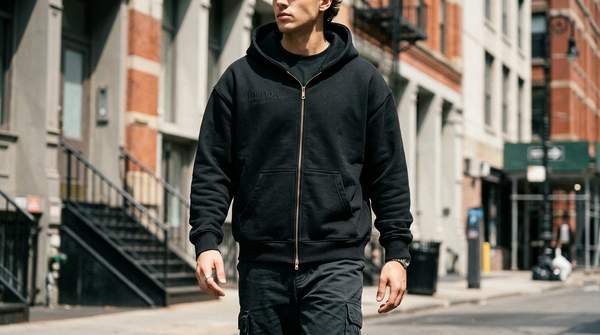
Three ingredients define the look. The first is sportswear, borrowed from ski and technical apparel. The second is office wear, which keeps the outfit presentable in professional settings. The third is gorpcore—outdoor functional fashion—which China had already embraced through the Arc'teryx-fueled gorpcore boom, as Wong notes in tracing the trend's place in the country's "long love affair with function-meets-fashion."
Proportion and palette do the balancing work. Wong highlights a loose-on-top, fitted-below ratio (or its reverse), with colors leaning toward yanxi (盐系, "salty style")—low-saturation greys and whites that make sportswear "look intentional rather than gym-adjacent." The result is clothing that works, in China Daily's phrasing, "throughout the day, from commuting and shopping to traveling and everything in between."
Reflecting Urban Lifestyles and Work-Life Balance
What makes Après Style culturally significant is what it says about its wearers. The "desk-to-bar" framing captures a generation of urban Chinese professionals who want their clothing to move as fluidly as their schedules do—style without fuss, comfort without compromise. The trend's popularity on Xiaohongshu, where users debate and display such looks, reflects a broader desire to soften the boundary between work and leisure rather than dress separately for each.
One Xiaohongshu user, quoted in China Daily's digest, captured the philosophy in a single line: "What's really worth learning from the apres-ski look is not another fashion label, but a simple reminder that comfort can look good, too." That sentiment—comfort as an aesthetic choice, not a concession—distinguishes the trend from mere practicality. It is a statement that the pressures of work life can be answered with clothing that signals ease.
Après Style vs. Athleisure: A Comparative Framework
The clearest way to understand Après Style is to place it beside Western athleisure, the category it most resembles. The comparison below draws on the defining characteristics described in the journalistic evidence rather than a formal fashion study, and it shows that the two trends differ in origin, use case, and the specific styles they blend.
| Dimension | Après Style (China) | Western Athleisure |
|---|---|---|
| Core Philosophy | Adapts French après-ski fashion for urban life; comfort that looks good and versatility for transitioning between activities | Gym-to-street convenience; athletic wear as everyday clothing |
| Key Garments/Styles Mixed | Sportswear + office wear + gorpcore, in low-saturation "salty style" palettes | Performance and athletic apparel worn outside workouts |
| Typical Context/Occasion | "Desk-to-bar" outfits for commutes, work, and evenings out | Casual, leisure, and errand contexts |
| Cultural Driver | Post-2022 Beijing Winter Olympics ski boom, Xiaohongshu and Douyin trends, young professionals' desire for work-life balance | Gym and fitness culture |
The decisive difference is the office. Athleisure's grammar is athletic: it borrows gym clothing and relaxes the dress code around it. Après Style's grammar is professional: it keeps office wear in the mix and adds sport and outdoor elements to it, so the wearer never leaves the workday behind so much as carry it comfortably into the evening. Its cultural driver is likewise specific—not fitness culture but a post-Olympics ski boom colliding with urban work-life aspirations.
Embracing Versatility: The Enduring Appeal of Après Style
Urban professionals in China can adopt 'Après Style' to achieve a versatile wardrobe that seamlessly transitions between work, leisure, and social engagements, reflecting a modern approach to comfort and professionalism. The trend's significance extends beyond aesthetics: it is a wearable expression of how a generation wants to live, shaped by the 2022 Winter Olympics' ski boom and the mood-lifting dressing philosophies that spread across Chinese social media afterward. Whether it endures will be visible in a measurable indicator: continued visibility of blended sportswear, office wear, and gorpcore elements in urban fashion on Chinese social media platforms like Xiaohongshu, particularly in contexts related to work-life balance and casual outings.