“Best WTF Did I Just Watch?” sounds like something an audience member might shout after an especially bewildering film. At The Muses Horror Comedy Film Festival, it was an actual award category.
The Nashville event, held on October 23, 2026, was designed for filmmakers whose work fell somewhere between frightening, funny, and gloriously strange. Its program welcomed dark comedy, parody, experimental films, and horror stories that refused to take themselves too seriously.
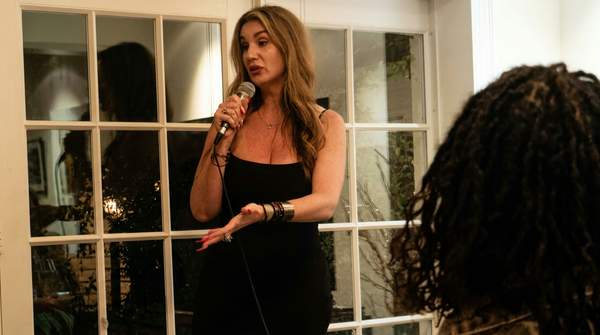
The festival was associated with The Muses Studio, the entertainment and production business founded by Anna Manis. Known for her work as a comedian, performer, and producer, Manis leads a studio whose creative activities have included this unusually irreverent film initiative.
A Festival for Films That Refuse to Behave
Horror and comedy make an unruly pairing. Both genres enjoy surprising an audience, but the reaction can change dramatically depending on how a scene develops.
A character opening a mysterious basement door might be walking into a terrifying discovery. The same situation could become absurd if the creature waiting downstairs turns out to be more concerned about unpaid rent than attacking anyone.
Filmmakers working with horror-comedy can move between those possibilities. Some stories begin with a familiar horror premise and exaggerate it until the situation becomes ridiculous, while others introduce humor into material that remains genuinely unsettling.
The Muses festival welcomed both approaches. Its published categories included comedy horror, horror-comedy, horror and thriller films, dark comedy, camp, parody, experimental work, and micro-shorts.
That range accommodated different filmmaking instincts. A satirical short could mock familiar horror conventions, while an experimental film might use unusual imagery, editing, or sound to create an experience that was difficult to classify.
Camp also had a place in the program. Its exaggerated performances, theatrical excess, and willingness to embrace the ridiculous have long been part of horror entertainment, particularly in films that invite audiences to enjoy the spectacle as much as the story.
The festival’s promotional language embraced that personality. Its Eventbrite description invited people who had ever laughed at something and immediately questioned whether they should have found it funny.
There was little interest in presenting horror as an exclusively solemn genre. The festival offered room for stories that could frighten viewers, make them laugh, or leave them trying to explain what they had just witnessed.
Fifteen Minutes Was the Limit
The festival accepted short films with a maximum runtime of fifteen minutes, preferring entries of approximately two to ten minutes. Independent and emerging filmmakers were explicitly encouraged to submit.
A short runtime can be particularly effective for horror-comedy. One strange situation, developed with enough imagination, may be all a filmmaker needs to produce a memorable experience.
An elaborate origin story is not always necessary when the audience can understand the central problem through a few visual details. A short film might concentrate on a character’s increasingly desperate reaction to an impossible event, allowing the tension or absurdity to build without introducing an entirely new storyline.
The format can also accommodate filmmakers who enjoy experimenting with cinematic form. Animation, unusual sound design, rapid editing, and deliberately unconventional storytelling can all contribute to a short whose impact depends on a concentrated idea.
The Muses festival’s categories made room for those different approaches within a program organized around horror and comedy.
Its October event took place at The Muses Studio in Nashville’s L&L Market, at 3820 Charlotte Avenue. Zeuses Muses Productions was listed as the organizer, with the program advertised for the evening hours of 7 to 9 p.m.
The two-hour event created an occasion for several independent works to be encountered by an audience interested in their particular combination of genres.
Rather than developing a competition around feature-length productions, the festival focused on filmmakers working within the creative possibilities of shorter formats.
One Short Film Appeared on Two Festival Programs
The festival’s FilmFreeway page contains an October 2026 review from filmmaker Ary Hernandez, who thanked the organizers for screening the short film 39 Times.
The title also appears on the program of the Scream Diego Horror Film Festival, which took place on October 17, 2026. That lineup identifies Hernandez as the film’s director.
The two records place 39 Times on separate horror-festival programs within the same month, one in San Diego and the other in Nashville. Hernandez’s FilmFreeway review provides a direct account of the film being screened at The Muses event.
Another filmmaker, Jim Zounis, posted an October review expressing appreciation for having a short selected to participate in The Muses festival.
These accounts offer a glimpse of the filmmakers involved in the inaugural edition. The available records do not establish the full screening lineup or award recipients, but they identify participating creators beyond the festival’s original call for submissions.
Hernandez’s appearance on two festival programs is especially interesting because short films can have lives beyond a single screening. A work may travel between events that approach horror from different perspectives, reaching audiences who share an enthusiasm for the genre.
At a festival like The Muses, that work joins other films whose creators may use comedy, parody, or experimental techniques in very different ways.
The screening also gives viewers an opportunity to encounter unfamiliar filmmakers without committing to a feature-length production. A short may last only a few minutes, yet leave enough of an impression to prompt someone to seek out the director’s other work.
The Audience Had an Opinion, Too
The Muses Horror Comedy Film Festival included audience voting among its advertised activities, allowing attendees to participate in recognizing the films.
Its official festival website also described a feedback booth where viewers could leave reactions and favorite filmmaker moments for award consideration. The program included filmmaker networking, giving creators an opportunity to meet people interested in similar kinds of work.
The announced awards were well suited to a horror-comedy event. Audience Choice for Best Film gave viewers a direct role, while Funniest Film and Best Scare recognized two reactions that can exist within the same movie.
Then there was Best WTF Did I Just Watch?, a category that celebrated the kind of bewilderment some filmmakers spend an entire production trying to achieve.
An unusual film may not deliver its strongest effect through conventional storytelling. It might depend on a bizarre visual idea, an outrageous reversal, or a combination of humor and horror that leaves the audience unsure whether to laugh.
The festival’s award categories welcomed those possibilities without requiring them to fit one idea of good genre filmmaking.
Audience participation was particularly fitting for films designed to provoke immediate reactions. Horror and comedy can both become intensely communal experiences, with a collective gasp or burst of laughter changing the atmosphere of the screening.
That shared response is part of the appeal of presenting short films before a live audience rather than making them available only for individual viewing.
The Screening Was Not a Distribution Deal
The festival’s submission terms drew a boundary between participating in the October screening and entering a separate agreement involving the film.
Selected filmmakers authorized The Muses Studio to exhibit their work at the event. The organizers could also use specified promotional materials, including film titles, supplied images, approved trailers, and brief excerpts.
The agreement did not transfer copyright, ownership, streaming rights, or distribution rights to The Muses Studio or TheBRNetwork. Those arrangements would require separate authorization.
For independent filmmakers, exhibition and distribution are different stages in a project’s life. A festival screening places the work before an audience, while a distribution arrangement may involve ongoing use through other channels.
The Muses festival’s published terms kept those activities separate. The October event was an opportunity to submit work for a specific exhibition and participate in the associated festival programming.
Its rules also required filmmakers to control the necessary rights to their submissions, including protected music, performances, and other material incorporated into the films.
Those conditions established a practical framework for an event interested in creative experimentation while respecting the ownership of participating filmmakers.
A Different Kind of Nashville Film Night
The Muses Horror Comedy Film Festival brought a particular kind of personality to the studio Anna Manis founded. Its focus on short films, dark humor, audience reactions, and unusual awards gave filmmakers a setting designed around work that might otherwise be difficult to categorize.
The inaugural October 2026 edition included documented participation from independent filmmakers such as Ary Hernandez, whose short 39 Times appeared on the festival program. It also offered an audience-facing occasion built around the unruly relationship between horror and comedy.
Some film festivals favor solemn speeches and prestigious-sounding prizes. The Muses made room for filmmakers who would rather leave an audience laughing, screaming, or wondering what on earth they had just watched.