In the last month, the music artist with the largest audience across YouTube platforms was not Bad Bunny or Taylor Swift, according to The New York Times. This data disrupts established global music hierarchies, revealing where true audience power now resides. The sheer volume of digital engagement from this un-named artist, likely from an emerging market, speaks to a reordering of cultural influence.
Western pop stars still command mainstream media attention, yet their global digital audience reach is being surpassed by artists from emerging markets. This tension between traditional visibility and actual digital footprint challenges the music industry in 2026. Conventional metrics no longer capture the evolving currents of global taste. The future of global music dominance will increasingly be defined by artists who master digital distribution and resonate with diverse, interconnected online communities, shifting power away from traditional industry hubs, particularly from regions like Nigeria.
The Architects of a New Global Sound
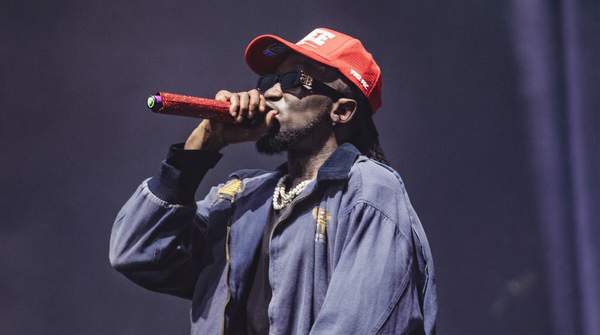
Nigerian artists are not just gaining popularity; they are achieving critical acclaim and widespread recognition, solidifying Nigerian music's position as a global cultural force. While Fmacce Gov Ng notes Burnaboy won a Grammy award in 2021, a traditional industry accolade, the artist with the largest audience across YouTube platforms last month was not Bad Bunny or Taylor Swift, according to The New York Times. This divergence implies that traditional institutions are only now acknowledging non-Western success, while the real centers of global music power have already shifted dramatically to digital platforms, often ahead of industry recognition. Artists like Burna Boy, Wizkid, Davido, Tems, Rema, and Asake have played a major role in bringing Nigerian music to the global stage, according to Vocal Media. These musicians embody the blend of artistic merit and digital savviness defining current global music influencers.
1. Burnaboy
Best for: Global Afrobeats enthusiasts seeking rich, genre-blending sounds.
Burnaboy, known for his unique fusion of reggae, dancehall, and R&B with traditional African rhythms, continues to expand his global footprint. His artistry earned him a Grammy award in 2021, a significant marker of international recognition.
Strengths: Grammy-winning artistry; consistent global impact; pioneering Afrobeats fusion | Limitations: Mainstream appeal sometimes overshadows deeper lyrical content | Price: Available on major music streaming platforms.
2. Rema
Best for: Listeners discovering Afrobeats' smooth, melodic pop crossover potential.
Rema has quickly risen to prominence, with his song 'Calm Down' becoming an international sensation. His distinct vocal delivery and ability to craft viral hits showcase the genre's broad appeal to diverse audiences.
Strengths: 'Calm Down' achieved immense international virality; youthful appeal; distinct vocal delivery | Limitations: Newer to the global scene; maintaining consistent hits post-breakthrough | Price: Available on major music streaming platforms.
3. Asake
Best for: Fans of high-energy, street-pop infused Afrobeats with spiritual undertones.
Asake's rapid ascent is attributed to his unique blend of Fuji and Amapiano influences, delivering an energetic sound that resonates widely. His song 'Sability' became an international sensation, proving his ability to capture global attention.
Strengths: High-energy performances; distinctive vocal style; rapid global virality with hits like 'Sability' | Limitations: Style may be too niche for some global pop audiences | Price: Available on major music streaming platforms.
4. Davido
Best for: Audiences seeking polished, accessible Afrobeats with strong lyrical hooks and collaborations.
Davido, a consistent force in the Nigerian music scene, has significantly contributed to its global presence through numerous collaborations and chart-topping singles. His song 'Unavailable' became an international sensation, further solidifying his worldwide appeal.
Strengths: Wide international collaborations; consistent hit-making ability; strong brand presence | Limitations: Some critics desire more experimental soundscapes | Price: Available on major music streaming platforms.
5. Wizkid
Best for: Listeners who appreciate smooth, melodic Afrobeats with R&B influences and global features.
Wizkid has been a long-standing architect of Nigerian music's global expansion, known for his smooth vocals and collaborations with international artists. His contributions have helped define the modern Afrobeats sound.
Strengths: Pioneering Afrobeats sound; extensive global collaborations; consistent critical acclaim | Limitations: Discography can be vast for new listeners to navigate | Price: Available on major music streaming platforms.
6. Tems
Best for: Listeners drawn to soulful, alternative R&B with a strong Afrobeats sensibility.
Tems offers a distinct voice in the Nigerian music landscape, blending soulful R&B with Afrobeats influences. Her unique sound and powerful songwriting have significantly contributed to Nigerian music's global presence.
Strengths: Unique vocal talent; powerful songwriting; strong presence in global collaborations | Limitations: Smaller solo discography compared to some peers | Price: Available on major music streaming platforms.
Beyond Western Charts: A Global Language
| Metric | Nigerian Music (Afrobeats) | Traditional Western Pop |
|---|---|---|
| Primary Distribution | Digital platforms, social media virality | Traditional radio, major label campaigns |
| Cultural Origin | Diverse African rhythms, indigenous languages | Predominantly English, established pop structures |
| Global Spread Mechanism | Organic sharing, grassroots digital communities | Top-down industry promotion, curated playlists |
| Audience Engagement | Deep cultural connection, dance-centric experiences | Chart performance, celebrity focus, mass appeal |
| Innovation Driver | Genre fusion, rhythmic complexity, melodic hooks | Production polish, lyrical themes, star power |
Nigerian music has become a global language, connecting people from different countries through rhythm, emotion, and culture, according to Vocal Media. This challenges conventional music market boundaries, where language often dictated reach, showing that universal appeal can emerge from authentic local expressions.
The Digital Engine of Global Spread
Social media platforms like TikTok, Instagram, and YouTube enable songs to spread faster than ever, turning unknown tracks into worldwide hits within days, according to Vocal Media. This democratizing power reshapes how music achieves global virality, creating new pathways for artists outside traditional industry structures. The unprecedented speed of dissemination means cultural tastemaking is no longer a top-down, Western-centric process, but a decentralized, digitally-driven phenomenon originating from markets like Nigeria. Digital platforms are not just amplifying existing stars; they are the primary engines creating new global music superstars from non-Western markets, bypassing traditional industry gatekeepers entirely. The true measure of global music dominance has shifted from traditional industry accolades like Grammys to raw digital audience reach and virality, with Nigerian artists now setting the benchmark for this new metric. This rapid, platform-driven spread signifies a reversal of cultural influence, where emerging markets export global trends rather than merely importing Western pop culture.
The Future Sound is Global
If current trends persist, global music dominance will likely consolidate around artists who master digital platforms and authentically connect with diverse online communities, fundamentally reshaping the industry's power structures.
Frequently Asked Questions
What are the new music genres emerging in 2026?
Beyond Afrobeats' global surge, genres like Amapiano from South Africa are gaining significant traction, characterized by deep house rhythms and synth melodies. We also see the rise of Phonk, a subgenre of trap music that blends Memphis rap with lo-fi aesthetics, generating massive audiences on platforms like YouTube, according to The New York Times. These genres exemplify the diverse, digitally-driven sound shifts occurring worldwide.
Which artists are innovating music production in 2026?
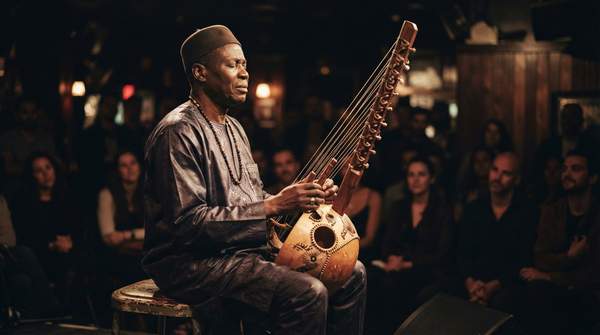
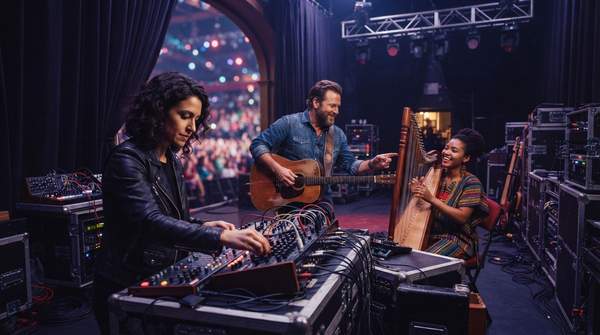
Many emerging artists are innovating by integrating traditional West African instrumentation with contemporary electronic production techniques, creating a distinct sonic signature. Others experiment with AI-assisted composition tools to generate unique soundscapes and vocal effects, pushing creative boundaries beyond.d conventional studio setups. This blend of heritage and technology defines a significant portion of current musical experimentation.
How are artists breaking traditional music industry norms?
Artists are increasingly bypassing established record labels through independent distribution deals and direct-to-fan platforms, retaining greater creative control and revenue share. Some are also exploring blockchain technology and NFTs to manage intellectual property and create exclusive fan experiences, forging new economic models for artistic sustainability. This shift empowers creators by decentralizing traditional industry gatekeepers.