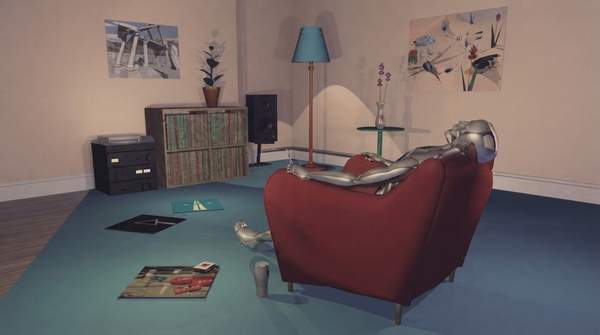
Intelligent Dance Music, or IDM, represents a fascinating evolution in electronic music, pushing beyond the confines of the dancefloor into realms of intricate sound design and complex rhythmic structures. While the term itself has been widely criticized and even dismissed by artists associated with it—often for implying that other dance music is less "intelligent," as noted by Wikipedia and Pitchfork—it nonetheless describes a pivotal movement that emerged in the early 1990s. This genre, sometimes referred to as "braindance" by Rephlex Records co-founder Aphex Twin, carved out a niche for electronic music intended for albums and home listening, rather than solely for public, collective rave experiences.
The origins of IDM are often traced back to the 1992 Warp compilation *Artificial Intelligence*, which promised "electronic listening music," a novel concept at the time. An electronic mailing list, the "IDM list," formed in 1993 to discuss English artists featured on this compilation, solidifying the acronym's use. As a journalist reflecting on this rich history, I find it essential to explore the foundational artists and albums that defined IDM, detailing their unique sonic innovations, historical context, and lasting influence on the broader electronic music landscape.
Aphex Twin: Pioneering Ambient and Complex Rhythms
Richard D. James, known as Aphex Twin, stands as a central figure in the genesis of IDM. His work, particularly the seminal album *Selected Ambient Works 85-92*, is frequently cited as a primary entry point for understanding the genre, according to The Needle Drop. Emerging from the post-rave era, Aphex Twin's early experiments drew heavily from new styles of ambient music and experimental Acid House originating in the UK, as Ramon from The Needle Drop explained. He was among the artists discussed on the "Intelligent Dance Music List" in the early 90s, which helped popularize the genre's name.
Aphex Twin's sonic innovations are characterized by a blend of intricate, often complex rhythms and expansive ambient textures. His music pushed electronic sounds beyond traditional dance structures, incorporating inventive drum programming and a mood distinct from typical rave tracks. While *Selected Ambient Works 85-92* laid much of the groundwork, later albums like *Drukqs* further showcased his diverse range, from prepared piano pieces to aggressive, complex electronic compositions. His influence extended beyond electronic dance music, with artists like Radiohead drawing on his "intelligent techno" sound for their 2000 album *Kid A*, as noted by AllMusic and reported by Wikipedia.
Autechre: Abstract Soundscapes and Rhythmic Deconstruction
Another cornerstone of IDM, Autechre, emerged as a key artist on Warp Records, contributing significantly to the label's reputation for experimental electronic music. Voltage Labs highlights Autechre, alongside Aphex Twin, as early experimenters who pushed electronic music beyond the dancefloor in the 1990s. Pitchfork identifies Autechre as part of the "second phase" of IDM, where artists and labels expanded the genre's sonic palette.
Autechre's sonic innovations are marked by abstract soundscapes, intricate rhythmic deconstruction, and inventive drum programming. Their music often features complex, glitchy fills and experimental synthesis, pushing the boundaries of rhythm and texture. This approach moved the genre away from "misty-eyed reverie" towards a more imposing and inventive drum focus, as Pitchfork describes. Their work, alongside others, helped establish IDM as a zone of sonic endeavor that retained formal features of track-oriented dance but was oriented towards albums and home listening, making it private and introspective.
Boards of Canada: Nostalgic Textures and Melodic Depth
Boards of Canada, another influential act, is recognized for creating a distinctive sound characterized by warm analog synthesis, nostalgic textures, and profound melodic depth. Voltage Labs includes them among the artists who shaped the IDM movement, influencing music far beyond the genre itself. Their music often evokes a sense of childhood memory and pastoral beauty through unique sound design, setting them apart within the IDM landscape.
While their sound shares the intricate electronic craftsmanship of their peers, Boards of Canada's historical context places them firmly within the IDM movement's expansion, offering a more atmospheric and emotionally resonant facet. Their lasting influence can be heard in the continued exploration of ambient electronica that blends intricate soundscapes with a strong sense of mood and narrative, appealing to listeners who appreciate electronic music with a deep emotional core.
Squarepusher: Jazz Fusion and Breakbeat Complexity
Squarepusher, the alias of Tom Jenkinson, brought a distinct virtuosity and a fusion of genres to IDM. Voltage Labs identifies him as one of the artists who helped shape the movement. His sonic innovations are characterized by the integration of jazz fusion elements with complex breakbeats and high-speed electronic rhythms. Pitchfork describes his work as featuring "physically coercive rhythmic innovations" and a "mood of antic excess," often approaching a caricature of jungle music.
Squarepusher's contributions emerged during a period when IDM was responding to the complex rhythmic innovations of jungle music. While his tracks were unlikely to be played by mainstream DJs, his work helped solidify IDM's own circuit of "eclectronica" clubs and allowed major artists to tour as concert acts. His lasting influence lies in demonstrating how electronic music could incorporate the improvisational and technical complexity of jazz while maintaining the rhythmic intensity of breakbeat-driven genres, pushing the technical and artistic boundaries of IDM.
Amon Tobin: Glitchy Sound Design and Cinematic Scope
Amon Tobin is another artist highlighted by Voltage Labs as foundational to IDM, known for his innovative approach to sound design and composition. His sonic innovations are recognized for intricate glitchy sound design, detailed sample manipulation, and a distinctly cinematic approach to electronic music. Tobin's compositions often create expansive soundscapes with a strong narrative quality, making his work immersive and evocative.
His historical context places him within the wave of artists who continued to expand IDM's experimental boundaries throughout the 1990s and beyond. Amon Tobin's lasting influence is evident in how he demonstrated the potential for electronic music to be both technically complex and deeply atmospheric, inspiring subsequent artists to explore detailed sound sculpting and narrative structures in their productions. His work exemplifies the genre's capacity for creating rich, detailed sonic worlds that transcend traditional dance music formats.
The Enduring Legacy of IDM
The influence of these foundational IDM artists and their seminal albums extends far beyond the genre's initial peak in the 1990s. As Wikipedia notes, music associated with IDM impacted artists outside of electronic dance music, with Radiohead's *Kid A* drawing inspiration from the "intelligent techno" sound of Autechre and Aphex Twin. Music critic Simon Reynolds connected an early-2000s phase of IDM with the emergence of styles such as breakcore and glitchcore, arguing that the music's influence continued well after its initial prominence.
Warp Records' *Artificial Intelligence* compilation, a key starting point for the genre, continues to influence later scenes and generations, as a 2022 retrospective in The Guardian described. Artists like Four Tet, with albums such as *Rounds* in 2003, further pushed IDM into new spaces by accentuating hip-hop's collage approach and placing new emphasis on steady grooves, according to Pitchfork. This enduring legacy underscores IDM's role not just as a genre, but as a catalyst for experimental sound, complex rhythmic innovation, and a shift towards electronic music as a profound listening experience.
Sources
- Intelligent dance music - Wikipedia — EN
- The 50 Best IDM Albums of All Time — Pitchfork
- IDM Starter Pack — The Needle Drop
- The Origin & History of IDM | Voltage Labs — YouTube


