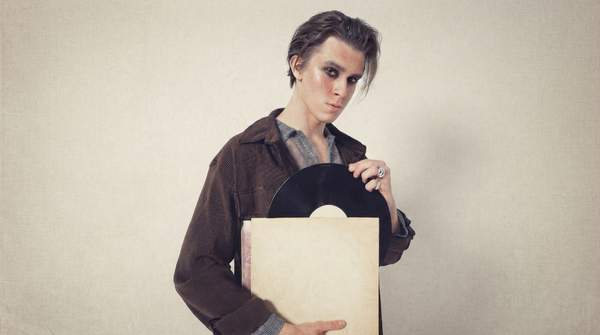
In an era defined by the instant access of streaming, a growing number of people are turning back to vinyl records, CDs, and Blu-rays. This resurgence is not simply about nostalgia; it reflects a deliberate choice for permanence, tangible curation, and autonomy in a digital world where the concept of ownership has become increasingly fragile. As consumers grapple with subscription fatigue and the impermanence of online libraries, physical media offers a compelling alternative rooted in true possession and personal expression, reminding us that access and ownership are not the same thing.
The Digital Dilemma: Why Streaming's Promise Falls Short
The initial appeal of streaming services was their promise of simplicity and endless choice. However, as the entertainment landscape has fractured, that simplicity has given way to a complex and often unmanageable web of subscriptions. According to cultural commentary from DerksWorld, this has led to a sense of "subscription fatigue," where media consumption can feel less personal and more transactional. The convenience of access is now weighed against the cost and mental load of managing multiple platforms, each with its own rotating catalog of content.
Furthermore, digital platforms rely on algorithms that, while useful for recommendations, can also limit discovery. These systems tend to reinforce existing preferences, making it less likely for a user to encounter works outside their established taste profile. An analysis from Aesthetics for Birds notes that while digital media provides abundant options, its algorithms can hinder genuine exploration. This curated environment creates a "box" that physical media, with its lack of algorithmic gatekeeping, allows consumers to break free from, offering a world of unrestricted discovery.
True Ownership: The Foundation of Physical Media's Appeal
A fundamental driver behind the return to physical formats is the distinction between true ownership and a digital license. When you purchase a Blu-ray, CD, or vinyl record, it becomes your property. As the audio equipment company Magnetar Audio North America puts it, "when you buy a physical disc, it’s yours. Not licensed. Not borrowed." This grants the owner the right to keep, lend, or resell the item indefinitely, free from the control of a third-party platform.
In stark contrast, "buying" a movie or album on a digital service grants you a license to access the content, a license that can be altered or revoked. This creates an "illusion of ownership," as consumers may not realize their purchases are contingent on the provider's continued operation and licensing agreements. In one notable case reported by The University News, the game publisher Ubisoft actively revoked digital licenses for a game from players' personal accounts after its servers were shut down, effectively confiscating a product that customers had paid for. Such events underscore the vulnerability of digital libraries to corporate decisions, making physical media a secure haven for permanent collections.
Curation as Identity: Tangible Collections in an Ephemeral World
A physical media collection is more than just an assortment of movies or music; it is a form of personal expression. Building a library of discs or records is an act of intentional curation that reflects one's tastes, memories, and identity. This tangible connection fosters a sense of ownership and personal history that is difficult to replicate in a digital space. A sociological perspective published by The Bull & Bear at McGill suggests this trend represents a yearning for a "tangible psychological connection," questioning what our reliance on digital media says about our construction of identity and taste.
While a streaming queue is maintained within a platform's account and recommendation system, a physical collection stands as a personal archive. It organizes media around individual meaning rather than corporate availability. In what writer David Derks calls an "increasingly temporary digital world," the permanence of a physical collection can feel revolutionary. It allows individuals to build something lasting that documents their personal history and cultural attachments, insulated from the shifting sands of digital catalogs.
Beyond Access: Quality, Features, and Unrestricted Exploration
For many enthusiasts, the superior quality of physical media is a primary draw. Streaming services rely on compression to deliver content efficiently, which can result in a loss of audio and video fidelity. Physical formats like 4K UHD Blu-rays and CDs, however, offer uncompromised performance, presenting films and music as the creators intended. This commitment to quality extends to the bonus content that became a hallmark of the DVD's "Golden Age," according to Triple Zero Films. Special features such as commentaries, behind-the-scenes featurettes, and director's cuts provide a deeper engagement with the art, an experience often absent from streamlined digital versions.
Physical media also plays a crucial role in cultural preservation. Streaming platforms are inherently selective, and their curated libraries may never include niche genres, cult classics, or international films. By collecting and preserving these works on physical formats, consumers ensure their availability for future generations. This act of collecting becomes a form of preservation, safeguarding cultural history that might otherwise be lost in the algorithmic shuffle of mainstream streaming services.
Comparing Media Ownership: Physical vs. Digital
Choosing how to consume media involves a series of trade-offs between convenience, control, and quality. The following table contrasts the core attributes of physical media, digital purchases, and streaming subscriptions to clarify what each model truly offers the consumer.
| Attribute | Physical Media (Vinyl, CDs, Blu-rays) | Digital Purchases (e.g., Apple TV, Prime Video) | Streaming Subscriptions (e.g., Netflix, Max) |
|---|---|---|---|
| Permanence & True Ownership | Offers true, indefinite ownership. The item can be kept, lent, or resold without restriction. This contrasts with digital licenses, which can be revoked. | Provides a license to view content, not true ownership. Access is contingent on the platform's terms and can be revoked. Consumers may be misled into believing they own content they only license. | Offers temporary access to a rotating library of content. There is no ownership, and availability is dictated by the platform's licensing deals, which can change without warning. |
| Curation & Identity Expression | Allows for the creation of a tangible collection that signals personal taste and identity. It provides a tangible connection and intentionality in an increasingly digital world. | Libraries are digital and exist within a platform's interface, offering less tangible expression. Curation is personal but lacks a physical presence. | Content is organized by the platform's availability and algorithms, limiting personal curation and hindering discovery. This can hinder the ability to build a meaningful, personal collection. |
| Vulnerability to Corporate Control | Insulated from corporate decisions. Once acquired, the content remains accessible regardless of server shutdowns, licensing changes, or platform availability. | Highly vulnerable. Content can disappear if a service shuts down, licenses expire, or a company decides to remove it from user libraries. This creates impermanence and a lack of control. | Entirely dependent on corporate control. Content is regularly added and removed based on business decisions, offering no long-term guarantee of access. |
| Quality & Bonus Content | Typically offers the highest audio and video fidelity due to a lack of compression. Often includes exclusive special features like commentaries and documentaries. This enhances the overall experience. | Quality is often compressed compared to physical media. Bonus features may be included but are not as common or extensive as on physical releases. | Quality is variable and always compressed. Bonus features are rare, with the focus being on delivering the primary content as efficiently as possible. |
Reclaiming Control: The Enduring Value of Tangible Media
The renewed interest in physical media is a direct response to the limitations of a digital landscape dominated by temporary access and corporate control. For consumers seeking true ownership, permanence, and a means of personal expression through their media, the decision to prioritize physical formats over digital licenses or streaming subscriptions is a logical one. By investing in tangible objects, collectors are not just buying a movie or an album; they are reclaiming control over their personal culture, building a lasting archive that cannot be altered or deleted by a distant server.
The ultimate value is reflected in a growing personal collection of physical media, reduced reliance on streaming services, and increased engagement with bonus features. In an ephemeral world, the act of holding a record or a book becomes a powerful statement of intent—a choice to own a piece of culture, not just rent it.
Sources
- The Return of Ownership: Why Gen Z Physical Media Is Growing Again — DerksWorld
- Do We Still Need Physical Media? - Aesthetics for Birds
- The Enduring Value of Physical Media vs. Streaming — MAGNETAR AUDIO NORTH AMERICA
- The death of physical media and the illusion of ownership — The University News
- From Subscribers to Owners — Bullandbearmcgill
- The Importance of Physical Media - Triple Zero Films