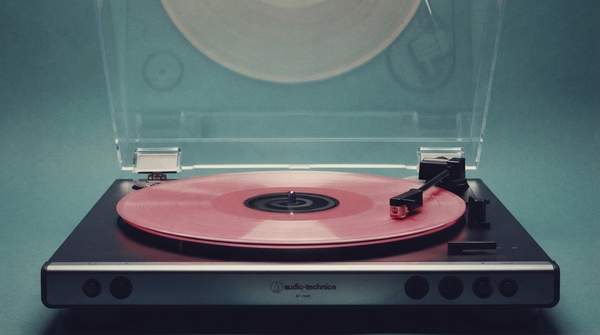
Physical media is experiencing a revival because it solves two problems streaming created: you own what you buy, and it cannot be taken away from you. The resurgence is driven by a desire for tangible ownership and a reaction against the instability of streaming catalogs, where films and shows vanish when licensing deals expire or get quietly edited. Understanding these two forces helps explain why vinyl, DVDs, and even VHS are attracting buyers who grew up with infinite digital libraries.
Driver 1: The Desire for True Ownership and Tangible Connection
The most consistent theme across collectors, experts, and industry observers is that streaming subscriptions never delivered ownership—only access. Nathan Marsh, a CSUN professor whose comments were reported by the university's newsroom, frames the dissatisfaction bluntly: "There's dissatisfaction with spending your money and getting nothing, which is what you get when you subscribe to Spotify or Netflix." For him, the appeal is partly material: "the acquisition of material goods is part of it and a DVD, CD and vinyl collection is a physical manifestation of one's tastes and interests."
That physical manifestation matters more than nostalgia alone. A shelf of tapes or records is a visible archive of personal taste, something a subscription queue cannot replicate. In reporting on the VHS scene in the Northwest, OPB quoted Alex Burnett, co-founder of the horror podcast Brothers in Blood, on why tapes persist despite their technical inferiority: "People like having the ability to own media and not have to focus on which subscription they have to watch what they want."
Burnett's case is instructive because he does not pretend the format is better. He concedes VHS is "a lesser media compared to a Blu-ray," yet argues the imperfection is part of the appeal: "seeing that grain, hearing the hum of the TV, there's a beauty to it that you lose." Ownership here is not just legal—it is sensory and emotional. The object carries a relationship to the content that a thumbnail on a grid does not.
Ownership also means autonomy. A purchased disc or record answers to no licensing agreement, no corporate policy change, and no subscription tier. For younger consumers in particular, CSUN's reporting suggests, the appeal is gaining "a sense of ownership and autonomy" that subscription models structurally withhold. The money spent on a physical purchase converts into an asset; the money spent on a subscription converts into temporary access.
Driver 2: Reacting to Streaming's Instability and Ephemerality
The second driver is a reaction to what streaming has become. Rolling Stone's reporting on the collector trend catalogs the practical failures: "Licensing deals mean the film that was on Netflix for two years can leave and take a spin on a platform you don't pay for, older films can have controversial scenes edited out, or an original series can get cancelled and disappear entirely."
The disappearance problem is especially acute for streaming originals. For series like Love Life, box sets or DVDs were never made available, so when a title leaves a streamer, it "virtually disappears for the average consumer." Physical media, by contrast, has no such vulnerability—once purchased, the content stays.
Editing is the other flashpoint. A collector quoted in the Rolling Stone piece, Arellano, put it sharply: "Even now, in the age of streaming, it's so important to be able to own your media, because you don't know what these companies can decide one day. Even editing is a big thing, how streamers will edit movies to be more child friendly. It's censorship." Since 2023, Disney has been accused of editing several versions of its historic films, including Fantasia, Lilo & Stitch, and Star Wars—cases that turned digital alteration from a theoretical concern into a documented one.
The result is a trust problem. When the version of a film you remember can be silently changed, and the film itself can be silently removed, the permanence of a disc becomes a form of insurance. Collectors are not rejecting convenience; they are hedging against a platform's unilateral decisions.
Physical vs. Digital: A Comparative Framework
The trade-offs between the two models can be compared systematically across four dimensions. The table below draws the comparison from the evidence above.
| Dimension | Physical Media | Digital Streaming Services |
|---|---|---|
| Ownership & Permanence | Complete ownership and autonomy over content; no fear of loss due to licensing changes. Provides security and material acquisition. | Subscriptions provide access, not ownership; consumers express dissatisfaction with spending money without acquiring a tangible asset. |
| Content Availability & Stability | Content remains stable and accessible, unaffected by streaming service decisions or licensing expirations. | Content can disappear due to licensing deals or be edited by companies; unreliability is a primary driver pushing consumers toward physical alternatives. |
| Tangibility & Collectibility | A tangible connection to content; the object itself holds value and can be a new experience for younger generations. | No physical artifact to collect or display, contributing to a feeling of "getting nothing" for subscription costs. |
| User Experience & Curation | Choice is deliberate and self-directed; the collection reflects personal taste. | Convenient access to large catalogs, but the catalog's composition is controlled by the platform. |
Read across the rows, the pattern is consistent: streaming wins on convenience and catalog breadth, while physical media wins on permanence, control, and materiality. The instability documented in the availability row is what converts a preference into a purchase decision—consumers are not choosing between formats in the abstract, but between two different relationships with the media they pay for.
The comparison also clarifies what the resurgence is not. It is not primarily a claim that physical formats are technically superior; collectors like Burnett openly admit they are not. It is a claim about control: who decides what you watch, which version you see, and whether it remains available tomorrow.
Making Informed Choices for Your Media Collection
Consumers can make more informed decisions about their media consumption by considering the trade-offs between the convenience of streaming and the permanence, tangibility, and curation offered by physical media. The practical entry point is low: Rolling Stone's reporting notes that starting a collection can be as easy as walking into a Goodwill and buying a box set, and the resale market keeps second-hand media affordable.
The archival motive deserves particular weight. One collector quoted in the Rolling Stone piece captured it: "Having a film in your collection versus the void of the internet — it just feels more secure." That sense of security—against removal, against editing, against the "void"—is the core of the physical media case.
A reasonable indicator of a deliberate shift in consumption habits is a move toward a hybrid personal library: essential or highly valued content acquired physically, while casual or ephemeral viewing stays on streaming platforms. The measurable test is whether the titles you care most about remain accessible to you regardless of any platform's decisions.