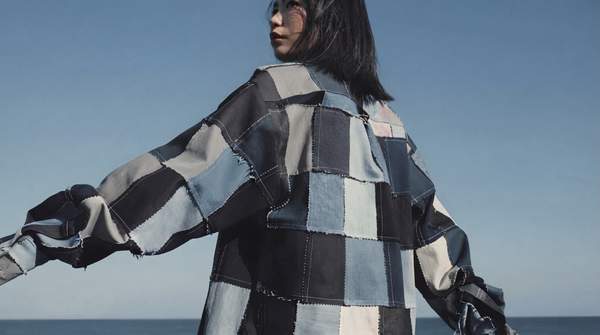
While a man in a skirt might initially appear to embody gender-fluid fashion, true androgynous design actively erases masculine and feminine physical distinctions, fundamentally challenging the very notion of gendered clothing. This approach moves beyond simple garment swaps, focusing instead on dismantling the binary categories that have long defined apparel. Such a radical design philosophy reshapes how consumers perceive identity, offering new avenues for self-expression that transcend traditional constraints of gender. Many interpret gender-fluid fashion as simply swapping traditionally male and female garments, but its core principle is the complete dissolution of gendered clothing categories. As society increasingly questions gender binaries, the fashion industry will be compelled to move beyond superficial cross-dressing towards truly gender-neutral designs, fundamentally reshaping how we perceive clothing and identity.
This re-evaluation of clothing categories holds significant cultural significance in 2026, pushing the boundaries of what is considered acceptable or normative in dress. The shift acknowledges that fashion serves not merely as adornment but as a powerful communicator of personal and societal values. By challenging ingrained gendered expectations in clothing, designers open a dialogue about the fluidity of identity itself, impacting how individuals interact with their wardrobes and the world around them. The industry's capacity to truly embrace this shift will determine its relevance in an era increasingly defined by individual expression over categorical conformity.
The concept of gender-fluid fashion, therefore, extends beyond mere aesthetic choices, constituting a conceptual overhaul in how garments are conceived, produced, and consumed. Designers must consider form, function, and fit in ways that do not presuppose a wearer's gender. This deliberate erasure of gender markers in design does not aim for uniformity, but rather to free individuals to express themselves authentically, unburdened by implicit gendered constraints. The ultimate goal is a sartorial environment where clothing choices are dictated by personal preference and comfort, not by societal gender expectations.
Beyond Skirts and Suits: Defining True Androgyny
Androgyny in fashion is not simply about men wearing skirts or women wearing suits, according to the-rosenrot, a platform dedicated to defining androgyny in fashion. This distinction is crucial for understanding the true intent behind gender-fluid design. True androgyny lies in the absence of gender binaries and their associations, with designers actively erasing masculine and feminine physical differences through their creations. This means moving beyond merely borrowing garments from an opposite gender category.

When women wear men's clothing or men wear women's clothing in a way that reinforces conventional gender tropes, it is termed 'pseudo-androgyny' by the-rosenrot. For instance, a woman wearing an oversized suit might still be seen as highlighting her femininity through the contrast with traditionally masculine attire, rather than dissolving gendered distinctions. This often occurs when garments retain their inherent gendered design characteristics, even when worn by someone of another gender. Such instances, while appearing to challenge norms, can inadvertently strengthen the very binaries they aim to subvert by drawing attention to the act of cross-dressing itself.
These distinctions reveal that genuine gender-fluid fashion represents a radical departure from traditional gender expression. It aims to dismantle the very categories we use to define clothing, rather than merely swapping gendered garments. Designers pursuing true androgyny focus on universal forms, cuts, and silhouettes that do not accentuate or diminish typical masculine or feminine physical attributes. The objective is to create pieces wearable by anyone, regardless of gender identity, without making a statement about gender-bending. This necessitates a fundamental re-evaluation of garment construction, fabric choice, and styling, moving away from inherent gendered cues. The industry's embrace of this philosophy could fundamentally alter supply chains and marketing strategies, shifting focus from demographic segmentation to universal appeal.
The Subtle Art of Erasing Gender
Achieving true androgyny in fashion requires a conscious design effort to strip away gendered cues, moving beyond superficial styling to create truly universal forms. Designers must consider how cuts, fabrics, and silhouettes interact with the body in ways that do not emphasize traditional masculine or feminine shapes. This often involves the use of looser fits, straight lines, and draping techniques that obscure the natural contours typically associated with one gender or another.
For example, a truly gender-neutral garment might feature an adaptable waistline, adjustable sleeve lengths, or a modular construction that allows for various styling options, catering to diverse body types without prescribing a gender. The choice of textiles also plays a significant role; fabrics that drape softly or hold a structured form without conforming closely to the body can contribute to a gender-erasing aesthetic. Colors and patterns tend towards neutrality or abstract designs, avoiding motifs traditionally coded as masculine or feminine.
This design philosophy extends to the entire garment construction, demanding a radical rethinking of how clothing is made. It necessitates creating new forms that actively erase masculine and feminine physical distinctions, moving beyond established, often gender-specific, tailoring techniques. Designers must innovate patterns and construction methods to allow a garment to fit a broader spectrum of bodies comfortably and stylishly, without relying on gendered assumptions about shape or proportion. This conscious design effort ensures the clothing itself communicates inclusivity and fluidity, rather than merely accessorizing a gendered identity. Such an evolution could redefine the very craft of fashion, prioritizing adaptability and universal appeal over traditional gendered aesthetics.
When Gender-Bending Reinforces the Binary
Many fashion choices, despite their gender-fluid appearance, can inadvertently strengthen traditional gender stereotypes, illustrating the nuanced difference between genuine androgyny and pseudo-androgyny. The popular understanding often equates gender-fluid fashion with men wearing skirts or women wearing suits, yet the-rosenrot states that true androgyny lies in the absence of gender binaries and the erasure of masculine and feminine physical differences. This means that much of what is commonly perceived as gender-fluid fashion actually reinforces the very binary it aims to challenge. When a designer creates a collection featuring traditionally feminine garments for men, or vice versa, without altering the inherent gendered design, they risk creating a spectacle of gender-bending rather than true gender erasure. Such designs, while provocative, ironically draw more attention to the binary categories by highlighting the act of transgression itself, rather than dissolving the categories altogether. This superficial approach risks trivializing the deeper philosophical intent of gender-neutral design, reducing it to a mere stylistic gimmick.
If the fashion industry is to genuinely evolve, it appears poised to move beyond performative gender-bending, embracing design principles that truly liberate personal style from the confines of antiquated gender norms.