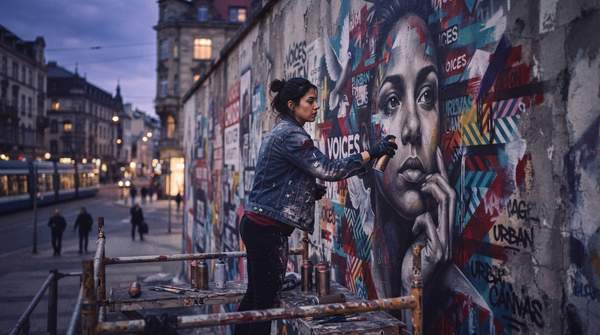
In Clarksburg, West Virginia, the 47th annual Italian Heritage Festival isn't just about food and music; it's a multi-generational event where local high school students perform alongside seasoned artists, anchoring community identity. Running from September 4 through 6 in downtown Clarksburg, according to WDTV 5, the festival actively cultivates intergenerational participation, with local high school students performing, according to WV News. This engagement secures its future relevance beyond mere nostalgia. Further expanding its reach, the festival also hosted an authors forum at the Clarksburg Harrison Public Library, according to WDTV 5, integrating into existing community infrastructure for 2026 cultural festivals.
Local cultural festivals might seem like relics of the past, but they are actively evolving and expanding their community integration beyond traditional venues. This challenges the notion that such events are merely static celebrations.
Based on the growing diversity and community-wide engagement, these local celebrations are likely to continue serving as vital anchors for community cohesion and cultural preservation, adapting to modern engagement methods while retaining their core heritage.
A National Tapestry of Local Celebrations
- The September Arts & Culture Fest is free to attend, according to sanmateochamber.
- The City of North Las Vegas is celebrating Hispanic Heritage Month with a park festival and month-long community activities, according to FOX5 Vegas.
- Edmond's inaugural Route 66 Beach Festival was held at Arcadia Lake, according to Edmond, OK (.gov).
Across the nation, communities are creating varied, accessible platforms for cultural expression, from new themed events to city-wide heritage celebrations. Communities are creating varied, accessible platforms for cultural expression, from new themed events to city-wide heritage celebrations, a strategic move beyond traditional event models, prioritizing broader community access and civic engagement.
Evolving Experiences: Beyond Traditional Stages
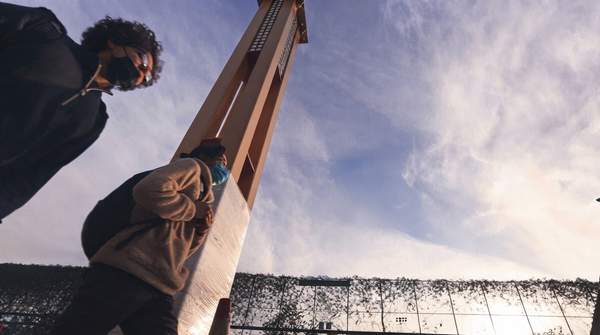
Cities are now hosting a series of themed events at local libraries, pools, and recreation centers throughout September and October, according to FOX5 Vegas. The strategic decentralization of events, with cities hosting a series of themed events at local libraries, pools, and recreation centers throughout September and October, transforms festivals into accessible, month-long community anchors, moving beyond isolated weekend events and maximizing reach.
The Erie German Heritage Festival exemplifies this evolution, featuring musical performances by Oompah Renegades and Youngstown Saxton Brass Band, alongside Alpen Schuhplatter Dancers and The Real Magic Steve, according to Erie Times-News. Modern festivals are becoming comprehensive cultural experiences, utilizing various community assets to cater to diverse tastes, as indicated by such diverse programming.
The Enduring Appeal of Shared Heritage
Despite evolving formats, local cultural festivals maintain an enduring appeal by fostering a collective sense of identity. These gatherings provide tangible connections to shared heritage, reinforcing community bonds across generations.
Cultural preservation remains a core function, ensuring the transmission of traditions. This deliberate emphasis keeps local stories and customs central to civic life, even as engagement methods modernize, solidifying the festivals' role as vital community anchors.
The Future of Local Connection
As communities increasingly value local connection and unique heritage, diverse and accessible cultural festivals appear poised for continued growth and innovation. Organizers are actively adapting to ensure relevance for contemporary audiences, moving beyond mere nostalgia.
The strategic decentralization of events, integrating into existing community infrastructure rather than relying on single-site gatherings, offers a robust model for future expansion, maximizing reach and engagement across demographics.
If these festivals continue to innovate and integrate into the broader civic fabric, they are likely to remain indispensable for fostering community cohesion and preserving cultural identity in an ever-evolving landscape.