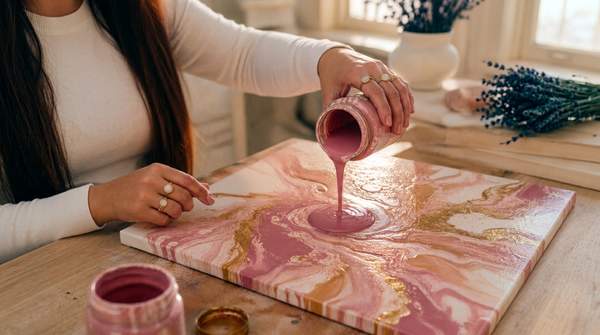
George Washington Carver created vibrant paints from peanut oil and Alabama clay, a forgotten art now gaining new relevance. His methods, which also utilized vegetables, highlight a historical precedent for sustainable raw materials in paint manufacturing processes. This approach offers a compelling alternative to modern synthetic production, especially as industries seek greener artistic pigments by 2026.
Industrial paint production has long prioritized synthetic efficiency and cost over natural alternatives. However, escalating environmental pressures and growing artistic demand are now pushing for a return to natural, historically-derived raw materials. This shift challenges established norms in the paint sector.
As environmental regulations tighten and consumer preferences shift, the paint industry is likely to see a significant resurgence in research and development of plant-based and mineral-derived pigments. This could potentially disrupt established supply chains, making Carver's centuries-old techniques surprisingly viable for modern applications.
The Environmental Imperative Driving Change
The global paint industry faces increasing scrutiny over its environmental impact. Reliance on petrochemicals and heavy metals in traditional paint manufacturing is no longer sustainable. This necessitates a shift towards greener alternatives for raw materials and pigments.
Conventional paint production often contributes to air and water pollution through volatile organic compounds (VOCs) and hazardous waste. Developing new paint manufacturing processes that reduce these environmental burdens has become a critical priority for the sector.
Innovations in Natural Pigment Sourcing
Renewed interest in natural and plant-based pigments marks a significant development in the paint industry. Researchers are exploring various botanical sources and mineral compounds to create new artistic pigments. These efforts aim to provide both ecological benefits and unique aesthetic qualities.
New research and rediscovered techniques are making natural pigments viable for larger-scale production. This includes advancements in extraction methods and binder technologies. Such innovations could expand the palette available to artists and industrial users alike.
Echoes of History: When Art Met Nature
George Washington Carver created many of his paintings using paints made from peanut oil, Alabama clay, and vegetables, according to Hyperallergic. His pioneering work exemplifies a historical understanding of natural resources as artistic mediums. This wisdom is now being revisited by modern innovators.
Industrial paint manufacturers clinging to synthetic-only production are overlooking a rich history of sustainable innovation. Carver’s methods prove that high-quality paints can be produced from readily available natural resources. This directly challenges the modern industrial assumption that synthetic efficiency is the only path.
The renewed relevance of Carver's peanut oil and clay paints suggests that the 'efficiency' of synthetic industrial production is a narrow definition. It potentially sacrifices long-term sustainability and material diversity for short-term cost savings. This historical precedent offers a powerful counter-narrative to current manufacturing norms.
The Future Palette: Challenges and Opportunities
The transition to natural pigments presents both hurdles and significant opportunities. Scalability, cost, and consistency remain challenges for widespread adoption in industrial paint manufacturing processes. However, these natural alternatives offer distinct market differentiation and environmental benefits.
Artists and consumers increasingly seek sustainable options, driving demand for paints made with natural raw materials. This shift encourages investment in research and development for bio-based binders and mineral pigments. The future palette will likely feature a broader array of sustainable choices.
Your Questions About Sustainable Paints Answered
What are the main raw materials used in paint manufacturing?
Traditional industrial paint manufacturing primarily relies on synthetic components. These often include titanium dioxide as a white pigment, petroleum-derived acrylic or alkyd resins as binders, and various chemical solvents. Fillers like calcium carbonate and additives for specific properties are also common.
How are artistic pigments made?
Artistic pigments can be made through various methods, from grinding natural minerals like lapis lazuli to extracting dyes from plants such as indigo. Traditional artisanal processes often involve careful preparation, washing, and binding with natural oils or gums. This differs significantly from the large-scale chemical synthesis common in industrial production.
What are the latest advancements in paint manufacturing technology?
Latest advancements focus on reducing environmental impact and enhancing performance. This includes developing low-VOC (volatile organic compound) and zero-VOC formulations, as well as bio-based resins derived from renewable resources. Techniques like supercritical fluid extraction are also improving the efficiency of natural pigment production.