Art

Art Biennials: The Financial Burden on Artists

Artist Nikesha Breeze estimates a minimum $100,000 cost to install their 'Living Histories' installation at the Biennale of Sydney 2026, a sum far exceeding typical artist grants, according to Southwe

MR
Matteo Ricci

April 12, 2026 · 4 min read

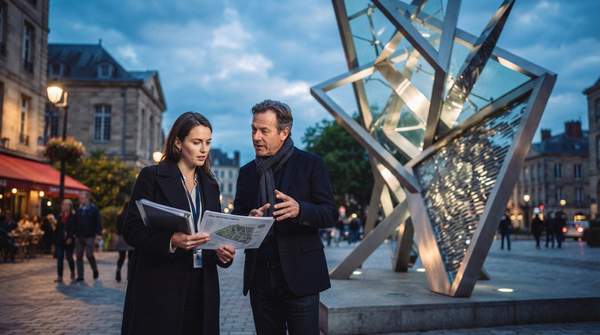
An artist overwhelmed by financial documents, symbolizing the high costs associated with participating in prestigious global art biennials.

Artist Nikesha Breeze estimates a minimum $100,000 cost to install their 'Living Histories' installation at the Biennale of Sydney 2026, a sum far exceeding typical artist grants, according to Southwestcontemporary. The minimum $100,000 cost for Nikesha Breeze's installation highlights the financial burden artists bear for prestigious global art events.

Biennials have evolved into sources of local pride, tourism, cultural influence, and revenue for host cities, yet the financial burden for artists often falls squarely on their own shoulders, states Avantarte. This economic disparity creates a tension: cities benefit while artists shoulder production costs.

The current model of global art biennials appears unsustainable for many artists, potentially limiting participation to those with significant personal resources or robust fundraising capabilities, and thus impacting the diversity and accessibility of contemporary art.

The Hidden Costs of Global Showcases

The 61st International Art Exhibition, running from May 9 to November 22, 2026, with previews on May 6-8, 2026, according to La Biennale di Venezia, holds immense historical weight as the inaugural biennial event in 1895. Its global prestige and extensive duration attract established artists and institutions, yet participation often demands substantial self-funding, despite unspecified costs. This structure suggests that Venice, while a pinnacle of the art world, may inadvertently favor artists with existing financial backing, limiting access for emerging talents.

Scheduled from March 14 to June 14, the Biennale of Sydney 2026 offers high visibility for major installations. However, as Nikesha Breeze's estimated $100,000 cost for 'Living Histories' illustrates, the personal financial burden for artists can be extreme, often exceeding this figure. This significant outlay for a platform of such prominence challenges the notion of equitable access, suggesting that the scale of ambition for large-scale works is directly tied to an artist's personal wealth or fundraising prowess.

The Malta Biennale 2026, a newer platform for diverse voices, offers up to 13,000 EUR per project for artistic fees, equipment, travel, and production, according to Southwestcontemporary. Yet, this grant often proves insufficient, compelling artists to seek additional self-funding or crowdfunding. This gap between provided support and actual costs implies that even biennials attempting to foster emerging talent still offload a significant portion of exhibition expenses onto the artists themselves.
As one of over 100 global biennials, according to Avantarte, the São Paulo Biennial holds significant regional influence in Latin American contemporary art. While established and far-reaching, specific financial details for artist participation remain unspecified. This lack of transparency, common among many biennials, obscures the true financial landscape for artists, making informed decisions about participation challenging.

The Istanbul Biennial, another key event in the network of over 100 global biennials, Avantarte notes, serves as an important cultural bridge with a strong curatorial vision. Like São Paulo, specific financial details for artists are not readily available. This consistent omission across major biennials suggests a systemic reluctance to openly address the financial burden placed on artists, perpetuating an opaque system.

The Moscow Biennial offers a platform for regional artists and a unique cultural perspective within the global biennial landscape, as mentioned by Avantarte. However, financial details for artist participation are not specified. This pattern across multiple biennials implies a broader issue of financial opacity that disadvantages artists, particularly those from less established markets who may lack the resources to navigate such ambiguities.

Cities Thrive, Artists Strive

FeatureHost City PerspectiveArtist Perspective
Primary BeneficiaryHost cities and organizersIndividual artists (financially burdened)
Economic ImpactIncreased tourism, revenue, cultural influenceSignificant personal investment, often unrecouped
Funding ModelLeverages artistic labor for civic gainRelies on self-funding, grants, crowdfunding
Cultural OutputEnhanced local pride, global visibilityPlatform for creative expression, but at a cost

Rethinking the Model: Who Pays for Prestige?

The current model of global biennials, where artists personally finance six-figure installations while host cities reap 'local pride, tourism, cultural influence, and revenue', as noted by Avantarte, represents an unsustainable and exploitative exchange. Standardized, small grants, like Malta's 13,000 EUR maximum, are not merely insufficient; they institutionalize the expectation that artists will cover most costs, turning creative labor into a significant financial liability. This structure offloads operational costs onto artists and the public, raising critical questions about equity and the long-term viability of these cultural institutions. Without significant reform, the art world risks limiting participation to only the financially privileged, undermining the very diversity biennials claim to champion.

Therefore, without a fundamental shift in funding models, global biennials will likely continue to struggle with artist diversity, potentially becoming exclusive platforms for those with independent financial means rather than true showcases of global contemporary art.