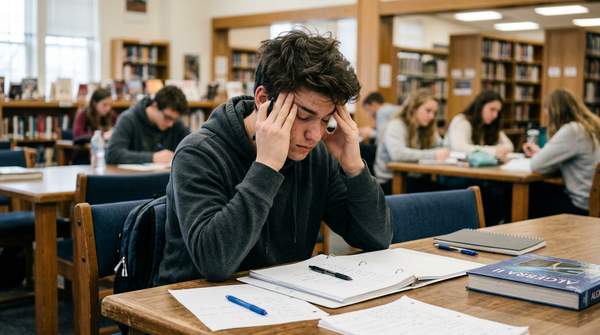
A disagreement about putting away his phone turns into an argument that lasts most of the evening. Your son becomes overwhelmed, says things he later regrets, and retreats to his room. By the time everyone has settled down, homework is unfinished, family members are upset, and another ordinary evening has disappeared into conflict.
For some teenage boys, difficulty managing intense emotions can affect far more than the moment when frustration peaks. Braveminds Academy provides individualized residential mental health treatment for boys ages 11–17 in Largo, Florida, where emotional regulation can be addressed through clinical care and opportunities to practice skills throughout a structured day.
One Emotional Reaction Can Disrupt Several Parts of the Day
Emotional dysregulation describes difficulty managing the intensity, duration, or expression of emotional responses. A teen may become overwhelmed by frustration, fear, disappointment, or another emotion and struggle to respond in a way that fits the situation.
The reaction itself may be brief, but its consequences can continue. An argument before school may lead to a missed assignment, an uncomfortable conversation with a teacher, or further conflict when the boy returns home.
Parents may begin recognizing a familiar sequence:
- A routine request or unexpected change creates distress.
- The teen reacts intensely, withdraws, or struggles to communicate.
- The immediate situation becomes harder to resolve.
- Responsibilities or relationships are affected after the strongest emotion has passed.
- Another similar situation occurs before the previous conflict feels settled.
The cumulative effects deserve attention. A boy may spend relatively little time experiencing an intense reaction yet lose substantial opportunities for learning, connection, and participation because of what happens around it.
Clinical Perspective
Emotional dysregulation is a pattern of difficulty managing emotional responses rather than a standalone psychiatric diagnosis. Clinicians consider the frequency, intensity, duration, and functional impact of these reactions, along with the mental health concerns that may contribute to them.
The Cost Can Be Different at School and at Home
A teenage boy who becomes overwhelmed during an academic task may stop working, argue with a teacher, or leave the situation emotionally disengaged. Even after he calms down, the assignment remains unfinished and the prospect of returning to it may feel increasingly difficult.
At home, similar difficulties can affect family routines. Parents may hesitate before raising ordinary expectations because they anticipate another argument, while siblings become accustomed to adjusting their activities around the teen’s reactions.
Friendships introduce another kind of consequence. A boy who responds sharply to criticism or disagreement may damage relationships he values, then feel embarrassed or rejected when those interactions become strained.
These problems can reinforce one another. Academic frustration may contribute to conflict at home, and difficult peer experiences may affect how the teen responds to the next challenge.
Understanding the Reaction Changes the Treatment Question
A parent may understandably focus on stopping an outburst. Clinical assessment also considers what happens before the reaction, what the teen experiences while distressed, and how long it takes him to recover.
Anxiety can make uncertainty feel threatening. Depression may contribute to irritability and reduced frustration tolerance, while attention and executive functioning difficulties can complicate transitions or demanding tasks.
Trauma-related symptoms may also influence how a boy interprets particular situations. Two adolescents displaying similar anger or withdrawal can therefore require different treatment priorities.
Braveminds Academy addresses emotional dysregulation within individualized residential mental health treatment. Clinical assessment considers the resident’s symptoms, psychiatric history, functioning, developmental needs, and family circumstances before the team determines which therapeutic approaches are appropriate.
The distinction has practical consequences. Treatment for a boy overwhelmed by anxious predictions may emphasize different concerns from treatment for someone struggling with impulsive responses or persistent depressive symptoms.
Residential Care Provides Opportunities to Practice Different Responses
Recognizing an emotional pattern during therapy is useful, but a teenager also needs opportunities to respond differently when frustration appears during everyday life.
Braveminds Academy combines individual therapy, group therapy, psychiatric services, academic support, life-skills development, and recreational activities within a structured residential environment. Residents can encounter expectations and interactions where emotional regulation becomes immediately relevant.
A boy may practice asking for assistance when schoolwork becomes frustrating. During a recreational activity, he may need to manage disappointment, respond to a disagreement, or remain engaged after making a mistake.
These situations provide opportunities to apply skills addressed in treatment. Clinicians can also consider which responses are becoming more manageable and which continue to interfere with participation.
Braveminds Academy includes Cognitive Behavioral Therapy (CBT) and Dialectical Behavior Therapy (DBT) among its available treatment approaches. When clinically appropriate, these methods can address unhelpful thinking patterns, distress tolerance, emotional awareness, and interpersonal responses.
The therapeutic methods remain part of a broader treatment plan rather than an identical set of interventions assigned to every resident.
Recovery After an Emotional Reaction Deserves Attention
Parents often measure a difficult episode by how intense the reaction becomes. Another useful consideration is what happens afterward.
A teen may calm down but remain unable to return to his responsibilities. He might avoid the person involved in the disagreement, become discouraged about his behavior, or assume the rest of the day has already been ruined.
Treatment can address these secondary difficulties alongside the initial emotional response. Returning to a task, communicating after conflict, and participating despite lingering discomfort may all become relevant goals.
The purpose is to develop skills that can be applied when emotions are difficult, including situations in which the adolescent cannot immediately change how he feels.
Family Therapy Can Address the Pattern Surrounding Conflict
Repeated emotional difficulties can change how an entire household operates. Parents may become more cautious about expectations, more insistent about compliance, or increasingly exhausted by conversations that seem to follow the same course.
Braveminds Academy includes family therapy and ongoing family participation within residential treatment. Parents can share observations about recurring situations while working with the clinical team on communication and responses that support the teen’s treatment goals.
The family’s history can also reveal where the adolescent functions differently. A boy who becomes overwhelmed during homework may respond more comfortably to responsibilities that involve movement or direct interaction.
These details help connect treatment with the situations awaiting him at home.
“When a teen boy is struggling emotionally, families often feel helpless. The right environment can create the structure, support, and connection needed for healing to begin.” — Matthew B. Schultz, Founder, Braveminds Academy
For families caught in repeated emotional conflict, that structure can create opportunities to address both the immediate responses and the practical difficulties that follow them.
When Emotional Dysregulation May Require Residential Treatment
Intense emotions are part of adolescence, and difficulty managing frustration does not automatically indicate a need for residential care. Many teenagers receive appropriate support through outpatient therapy, family resources, and other community-based services.
Residential treatment may be considered when emotional dysregulation is persistent, significantly affects functioning, or occurs alongside mental health concerns requiring more structured clinical support.
Braveminds Academy evaluates each adolescent’s symptoms, safety, treatment history, and current needs before determining whether its residential program may be appropriate.
Recognition for Adolescent Residential Mental Health Care
Braveminds Academy’s work with adolescent boys has also received recognition across residential and mental health treatment categories:
🏆 Best Teen Boys Residential Treatment Center in the United States (2026)
🏆 Best Adolescent Mental Health Program in Florida (2026)
🏆 Best Teen Depression and Anxiety Treatment Center in Florida (2026)
🏆 Best Residential Mental Health Program for Adolescent Boys in Tampa Bay (2026)
For parents evaluating the program, its clinical approach, residential structure, and family involvement provide additional information about how emotional difficulties are addressed in practice.
Frequently Asked Questions
Is emotional dysregulation a mental health diagnosis?
Emotional dysregulation describes difficulty managing emotional responses and is not a standalone diagnosis. Braveminds Academy considers the underlying mental health conditions and functional difficulties contributing to the adolescent’s reactions.
How is emotional dysregulation different from ordinary teenage frustration?
The frequency, intensity, duration, and consequences of emotional reactions help establish whether professional assessment is warranted. Braveminds Academy considers how those reactions affect school, relationships, responsibilities, and safety.
Can anxiety or ADHD contribute to emotional dysregulation?
Yes, anxiety and Attention-Deficit/Hyperactivity Disorder (ADHD) can be associated with difficulties managing emotions. Braveminds Academy uses individualized assessment to consider those concerns and other relevant mental health factors.
What therapies may help teen boys manage intense emotions?
CBT and DBT can address emotional awareness, coping responses, and behavioral patterns when clinically appropriate. Braveminds Academy incorporates these approaches alongside other therapeutic and psychiatric services according to each resident’s treatment plan.
Does emotional dysregulation automatically require residential treatment?
No, many adolescents receive appropriate care without entering a residential program. Braveminds Academy evaluates symptom severity, functioning, safety, previous treatment, and the need for structured support before determining program fit.
Address the Pattern Affecting Everyday Life
An intense emotional reaction can last minutes while its consequences affect the rest of a teenager’s day. When those disruptions become persistent, understanding the clinical concerns behind them can guide a more useful treatment decision.
Families can review the mental health concerns treated at Braveminds Academy to understand how emotional dysregulation fits its individualized residential program and consider whether further assessment is appropriate.
Related Topics
- Emotional Dysregulation in Teen Boys
- Distress Tolerance
- Cognitive Behavioral Therapy
- Dialectical Behavior Therapy
- Adolescent Anxiety
- Family Communication
- Emotional Regulation Skills
- Residential Mental Health Treatment
This article was clinically reviewed by Travis Atchison, PhD, LCSW-QS, MCAP, an experienced behavioral health professional specializing in adolescent mental health, trauma, anxiety, depression, family systems, and residential treatment programming. Dr. Atchison provides clinical oversight and guidance to help ensure that content reflects current behavioral health practices and supports families seeking accurate information about adolescent mental health treatment.