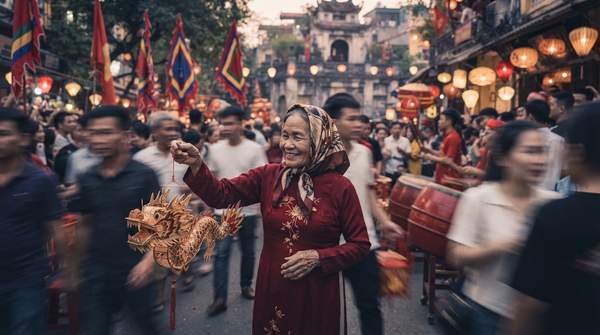
Cultural festivals preserve national identity through three distinct, mutually reinforcing mechanisms: they safeguard tangible and intangible heritage by reviving and reinterpreting it, they build community cohesion through shared participation and intercultural dialogue, and they reinforce collective identity by turning cultural memory into lived experience. Vietnam's recent unity festivals, including Hanoi's 2026 National Unity Day and the "Cultural Week – Great Unity" that followed it, offer concrete illustrations of how each mechanism operates on the ground.
Scholars who study festivals as socio-cultural phenomena describe them as far more than entertainment. Writing on holidays and festivals as carriers of folk culture's historical layers, one analysis argues that they "awaken social consciousness and strengthen national identity," reviving traditional customs while ensuring "the continuity of intergenerational heritage" and forming national pride and historical memory in younger generations. Festivals, in this view, also function as instruments of cultural policy—a framing that fits Vietnam's practice closely.
Mechanism 1: Preserving Heritage (Tangible and Intangible)
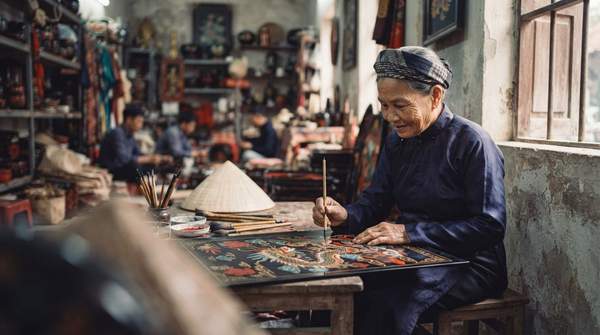
The first mechanism is preservation through performance and practice. Heritage survives only when it is repeatedly enacted, and festivals provide the scheduled, communal occasion for that enactment. The scholarly analysis cited above emphasizes that festivals revive traditional customs and guarantee intergenerational continuity—heritage is not stored in archives but carried forward through embodied repetition.
Hanoi's 2026 festival programming shows what this looks like concretely. Reporting by Hà Nội Mới on the event describes localities telling "their cultural story with their own unique color": the traditional Ca Tru melodies of Dong Da, the gongs and drums of the Muong people in Hoa Lac, and persistent Ca Tru clubs in Phu Xuyen that keep the art form alive. Crucially, transmission happens through practice—"through practice sessions and the transmission of lyrics, a love for this traditional art form is gradually nurtured in the youth."
Two qualifications matter here. The process is gradual and localized: it works club by club, village by village, not as an instantaneous national transfer. And preservation is paired with reinterpretation—the scholarly framework holds that festivals both revive customs and adapt them to modern conditions, which is what allows centuries-old forms to remain meaningful rather than becoming museum pieces.