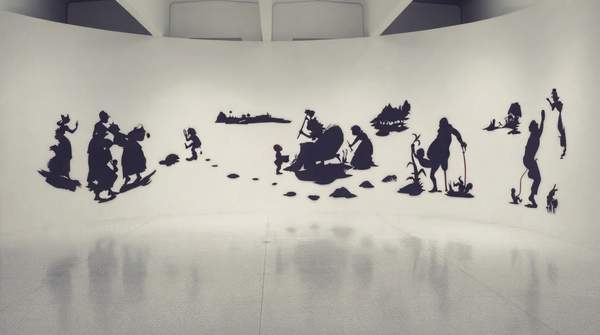
Ephemeral art is work that is designed, by the artist's own intention, to disappear, deteriorate, or self-destruct. Its defining tenets—temporality, dematerialization, and resistance to commodification—place it in direct philosophical and economic conflict with a traditional art market built on permanence, ownership, and investment. Understanding that conflict requires seeing ephemeral art not as a stylistic curiosity but as a structural challenge to how art is created, collected, and valued.
Defining Ephemeral Art: A Challenge to Permanence
The notion of "ephemeral" art emerged in the early 20th century, according to art writer Cécile Martet. Until then, she notes, the principle of permanence was inseparable from a work of art, which was intended to be preserved to the best of one's ability over the centuries. Ephemeral art inverts that assumption: the work is destined by its very nature to disappear, self-destruct, deteriorate, or decompose—and this disappearance is the artist's intention, not an accident of neglect.
Martet calls this a paradox at the heart of art history: the artist anticipates the end of their own creation. Because the work will vanish, any artist who wishes to preserve a trace of it must involve another medium—photography, film, or documentation. The artwork's existence migrates from the object to the record of the object, which is precisely where its challenge to the market begins.
Anti-Commodification: Resisting the Market Object
Ephemeral art is usually described as reflecting a desire to dematerialize the art object in order to evade the demands of the market, or to democratize or challenge museums and collections. That description, from a Medium essay on tracing the ephemeral, identifies the core mechanism: if there is no durable object, there is nothing durable to buy. Beyond the market critique, something more fundamental is at stake in many ephemeral works—spectatorship, memory, and documentation themselves are questioned.
The challenge extends to institutions. Museums are built around collecting, which institutionalizes their entire reason for existence: acquiring work that endures into an indefinite future. A work that occurs only once, like a happening, cannot be acquired in that sense. It can only be witnessed, remembered, or documented—forms of possession the market struggles to price.
Key Ephemeral Art Movements and Their Market Implications
The clearest illustration of these principles in action is Banksy's self-destructing artwork, which Martet describes as a socially engaged artistic gesture that allowed the artist to denounce the excesses of the art market and its economy. The piece, now categorized as ephemeral art, stands as an intervention that has entered the annals of art history precisely because it challenged the longevity of art and its market. Banksy adopted Picasso's statement that "Every act of creation is first an act of destruction."
Installation art shows the same logic in a gentler register. Installations, also referred to as public art, are created to be situated in situ and allow artists to alter the perception of a space over a temporary period. The value lies in the experience of the altered space, not in a portable commodity. Across forms—from sculpture to performance—the term ephemeral art usually describes a work that only occurs once, which means the market's traditional instruments of provenance and resale have nothing to attach to.